The best time to have your chimney swept is at the end of the burning season, typically around April or May.
There is a practical reason for this that goes beyond simply beating the autumn rush.
Soot left inside a chimney contains acidic compounds that can contribute to the deterioration of flue liners, mortar and masonry. By sweeping shortly after you finish using your fire for the season, you remove as much of those deposits as possible before the chimney sits unused throughout the warmer months.
If you normally use your fireplace or stove from around October to April, an end-of-season sweep means the chimney can then spend roughly six months sitting as clean as practicable before you begin using it again.
If you wait until October to sweep instead, the soot deposited during the previous burning season remains inside the chimney throughout spring and summer. Once it is finally removed in autumn, you begin using the fire again and new deposits start accumulating.
That’s why, where possible, we recommend establishing an end-of-burning-season sweeping routine.
However, timing isn’t more important than actually getting your chimney swept. If April or May isn’t practical, having your chimney swept at another appropriate point in the year is far better than postponing a sweep because you’ve missed the ideal window.
IN THIS GUIDE
Why is the end of the burning season the best time to sweep?
Think about what happens during a typical year. You start using your fire in autumn. Over the following months, soot and other combustion deposits gradually accumulate within the flue.
If you stop using the fire in spring but don’t have the chimney swept until the following autumn, those deposits remain inside the chimney throughout the entire summer.
Have it swept in April or May instead and you remove the previous season’s deposits shortly after they’ve accumulated. The chimney then spends the months when it isn’t being used with those deposits reduced to a minimum.
Over many years, reducing the amount of time acidic soot is left in contact with the chimney can help slow deterioration of the flue liner and chimney structure.
That’s particularly important because deterioration isn’t necessarily obvious from inside your home. Problems can eventually lead to leakage through the chimney structure and, in some cases, expensive remedial work such as relining.
April/May sweep
October–April: chimney in use and deposits accumulate.
April/May: chimney swept.
Spring–autumn: chimney sits as clean as practicable.
October sweep
October–April: chimney in use and deposits accumulate.
Spring–autumn: previous season’s deposits remain inside the chimney.
October: chimney swept — and then immediately starts being used again.
The chimney is still being swept annually in both examples. The difference is how long the deposits are left sitting inside it between sweeps.
What does soot actually do to a chimney?
Soot isn’t simply harmless black dust. Combustion deposits can contain acidic compounds and, particularly where moisture is present, these can contribute to deterioration inside the chimney.
In a traditional brick chimney, this can include deterioration of the mortar and parging between and around the bricks. As that material erodes, gaps can develop within the chimney structure.
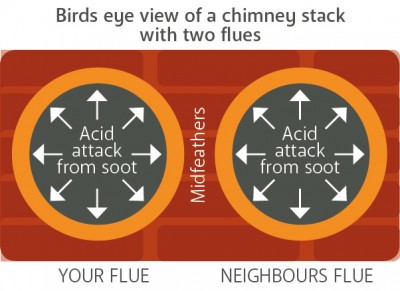
These gaps matter. In a chimney stack containing more than one flue, deterioration of the midfeathers — the masonry separating adjoining flues — can allow smoke and combustion gases to pass from one flue into another. As deterioration progresses, mortar and parging can loosen and fall down the chimney, and in more advanced cases bricks themselves can become loose or dislodged.

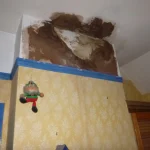
The photograph above shows this type of deterioration inside a real chimney, with mortar and parging missing from around sections of the brickwork and gaps beginning to develop between the bricks. This is one reason we don’t regard soot simply as something that needs removing because it’s dirty.
Exactly how quickly a chimney deteriorates depends on its construction, condition, liner, fuel, use and exposure to moisture. Sweeping at the end of the burning season won’t prevent the natural ageing of a chimney, but it reduces the amount of time acidic combustion deposits are left in contact with the chimney structure.
And because significant deterioration can eventually mean expensive remedial work or relining, reducing avoidable exposure makes good sense.
Ready to arrange your chimney sweep?
Complete our contact form and we’ll send you our available appointment dates.
An end-of-season sweep can also help with summer chimney smells
There is another benefit to removing soot before the warmer months: smell. People are sometimes surprised when an unused fireplace begins to smell during spring or summer.
Deposits inside the chimney can contribute to these odours, and warmer weather, humidity and changes in airflow can make them more noticeable inside the property.
Sweeping doesn’t solve every cause of chimney smells — damp, rainwater, bird nests and other problems can also be responsible — but removing the previous burning season’s soot before summer removes one common source. See our Why Does My Chimney Smell? guide for more.
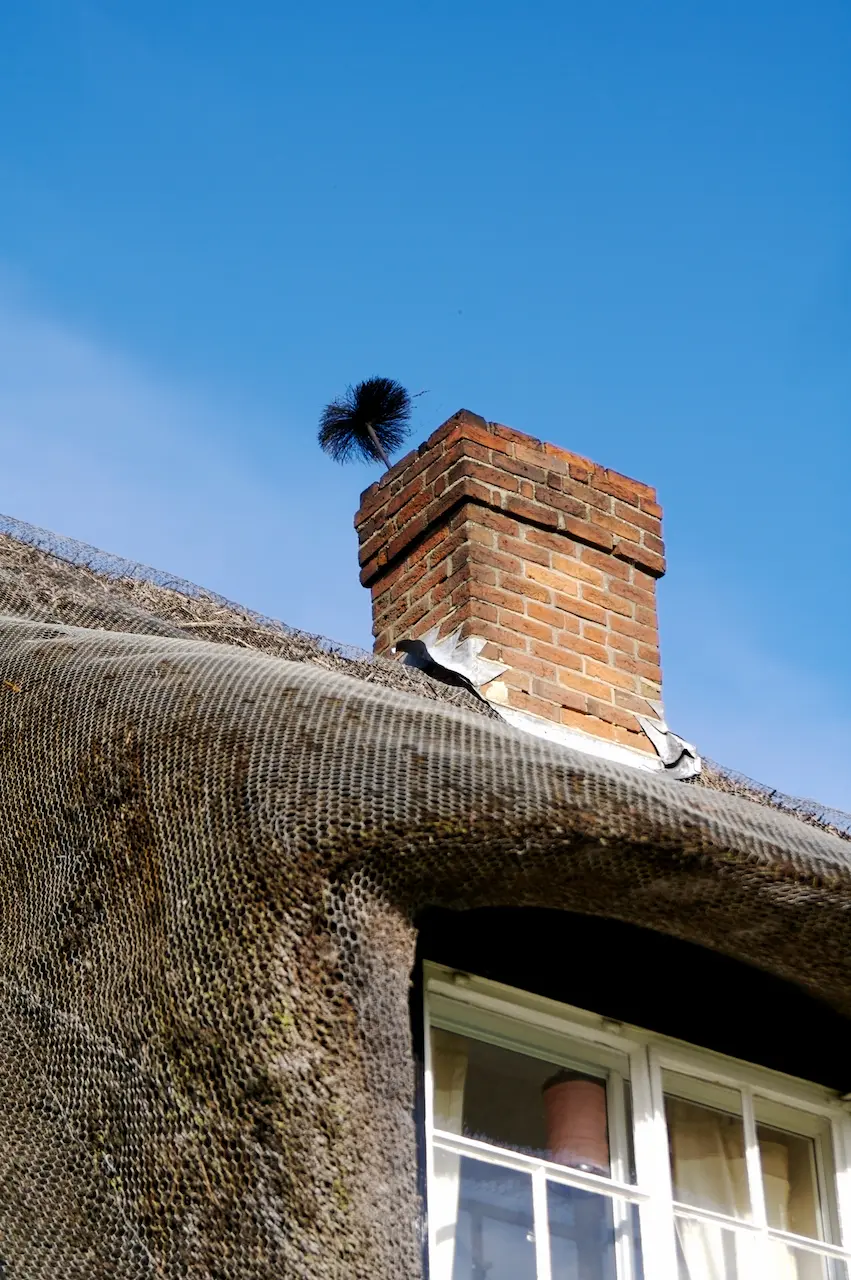
Does that mean you shouldn’t have your chimney swept in autumn?
Not at all. If autumn is when you can reliably arrange your annual sweep, keep doing it. Regular sweeping is more important than repeatedly postponing an appointment because you’ve missed the ideal spring window.
Autumn also has an obvious practical advantage: your chimney has just been swept when you’re about to start using it. The disadvantage is that the deposits from the previous burning season have remained inside the chimney throughout spring and summer. Autumn is also traditionally a busy period for chimney sweeps.
If autumn is when you reliably remember to arrange your sweep, keep doing it. But if you can gradually move your regular appointment to the end of the burning season, that’s the routine we would recommend.
What about having a chimney swept in summer?
Summer is also a good time to have a chimney swept. You’ve still removed the previous burning season’s deposits well before the fire goes back into regular use, and you’re generally ahead of the autumn rush.
There is one important consideration, however: bird nesting season. Birds commonly nest in chimneys, particularly jackdaws. Active nests and nesting birds are legally protected, and we do not carry out bird-nest removal between 1 April and 31 August.
That doesn’t mean ordinary chimney sweeping stops during those months. But if there is an active or suspected nest blocking the flue, the situation may need to wait until the nesting period has ended. Our Bird Nests in Chimneys guide explains what to look for and when removal can take place.
What about winter chimney sweeping?
A chimney can be swept during winter too. For someone using a fire heavily, sweeping during the burning season may actually be necessary depending on the fuel being burned and the frequency of use.
The main practical issue is that the fireplace, appliance and flue need to be completely cold for the appointment. We require the fire or appliance not to have been used for at least 24 hours before the sweep. That can be less convenient in the middle of winter, and appointment availability can also be more limited.
What if you use your stove or fireplace throughout the year?
Not everybody has a neat October-to-April burning season. If you use your stove throughout the year, there may not be an obvious end of season at which to arrange the sweep.
In that situation, the correct sweeping frequency becomes more important than the month. Depending on the fuel you burn and how frequently you use the chimney, you may need it swept more than once a year. See How Often Should You Sweep Your Chimney?.
What if you rarely use — or don’t use — your fireplace?
A chimney may still need occasional sweeping even if the fireplace is no longer used.
This is particularly relevant to older, unlined open fireplaces. The inside of a traditional chimney may have been coated with parging — a cement-like layer applied to the internal brickwork. As the chimney ages, this naturally deteriorates and pieces can break away, falling down the flue as anything from a fine cement-like powder to larger clumps.
For an unused, unlined open fireplace, occasional sweeping may still be appropriate because loose parging and other debris can continue to fall into the flue as the chimney ages. The appropriate interval depends on the chimney’s condition and whether there are signs of deterioration or falling debris.
This isn’t generally relevant in the same way to a lined stove or lined fireplace, because the liner separates the flue from the deteriorating internal brickwork.
So, is timing or frequency more important?
Both matter, but regular sweeping comes first. If your chimney should be swept annually, it is better to have it swept every year at a less-than-perfect time than to start skipping years because you didn’t manage to arrange an April or May appointment.
Once you have a consistent sweeping routine, however, moving that routine to the end of your burning season gives the chimney the additional benefit of spending its unused months with the previous season’s soot removed.
First priority: sweep at the appropriate frequency for your fuel and usage.
Best timing: where practical, arrange that sweep at the end of your burning season.
Ready to arrange your chimney sweep?
Complete our contact form and we’ll send you our available appointment dates.
Frequently Asked Questions
When is the best time of year to have a chimney swept?
The best time to have your chimney swept is at the end of your burning season, typically April or May for households that mainly use their fire during autumn and winter. This removes the previous season’s soot before the chimney sits unused throughout summer.
Is it better to sweep a chimney before or after winter?
Where practical, after winter is better. However, maintaining the appropriate regular sweeping schedule is more important than delaying a sweep because you have missed the ideal time.
Why can soot damage a chimney?
Soot and other combustion deposits can contain acidic compounds. When moisture is present, these deposits can contribute to deterioration of flue liners, mortar and masonry.
Can I have my chimney swept in summer?
Yes. Summer is a good time to have a chimney swept. However, active bird nests are protected, and we do not carry out bird-nest removal between 1 April and 31 August.
Is autumn too late to have a chimney swept?
No. If your chimney is due for sweeping, have it swept rather than waiting until the following spring.
Can soot in a chimney cause smells during summer?
Yes. Soot and other deposits can contribute to smoky or sooty chimney smells during warmer weather, although damp, rainwater and bird nests can also cause chimney smells.
Should I have my chimney swept before the first fire of the season?
If your chimney is due for sweeping, have it swept before using the fire. If it was swept at the end of the previous burning season and hasn’t subsequently been used, it does not need another sweep simply because autumn has arrived.
Does an unused chimney still need sweeping?
An unused chimney may still need occasional sweeping, particularly if it is an older, unlined chimney serving an open fireplace. As these chimneys age, the internal parging can deteriorate and fall down the flue as powder or larger pieces. The appropriate interval depends on the chimney’s condition and whether there are signs of deterioration or falling debris. This is not generally necessary for the same reason where a stove or fireplace has a flue liner.