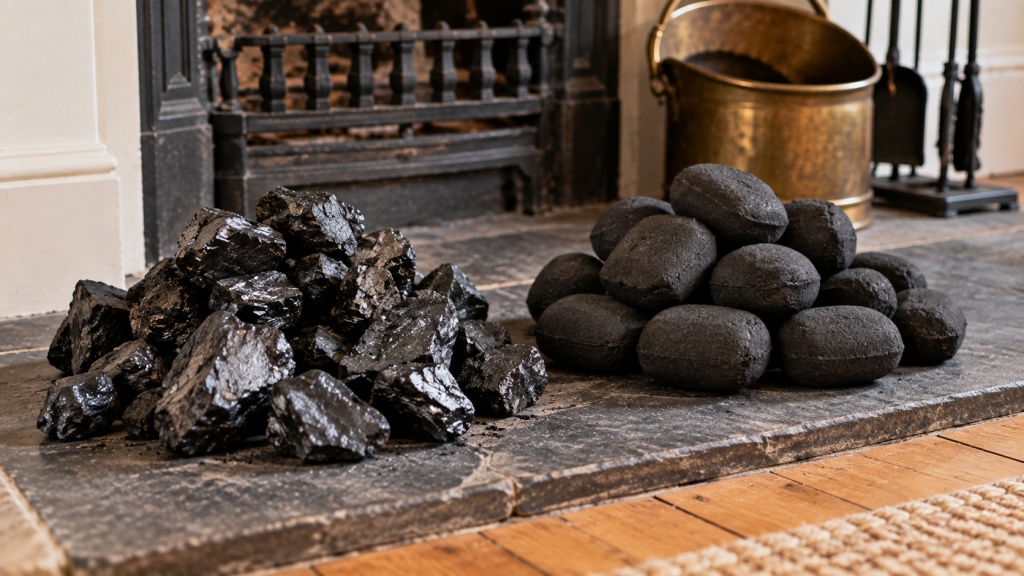
If you need smokeless fuel for an open fire or a suitable multi-fuel stove in a Smoke Control Area, the main solid-fuel options are anthracite, semi-anthracite, low volatile steam coal and authorised manufactured solid fuels.
Before buying a manufactured smokeless fuel, check the exact product on the official DEFRA authorised-fuels list. And always check that the fuel is suitable for your particular appliance.
Check the official DEFRA authorised-fuels list →
Current Position in Cambridge
Cambridge currently has three existing Smoke Control Areas. A new citywide Smoke Control Area is planned, but it is not yet in force across the whole city. If you live outside one of the existing areas, you do not need to change what you burn yet because of the planned citywide area. See the current Cambridge Smoke Control Area position →
In This Guide
- What Is an Authorised Smokeless Fuel?
- Which Fuels Can I Burn in a Smoke Control Area?
- What’s the Difference Between Anthracite and Manufactured Smokeless Fuel?
- Can I Burn Smokeless Fuel on an Open Fire?
- Can I Burn Smokeless Fuel in a Multi-Fuel Stove?
- Can I Burn Smokeless Fuel in a Wood-Burning Stove?
- Is Ready to Burn Wood an Authorised Smokeless Fuel?
- Frequently Asked Questions
What Is an Authorised Smokeless Fuel?
An authorised fuel is a fuel that can be burned in a Smoke Control Area without needing a DEFRA-exempt appliance.
This is different from a DEFRA-exempt appliance. Appliance exemption allows a particular appliance to burn specified fuels that would otherwise be unauthorised in a Smoke Control Area, such as wood, subject to the conditions of that exemption.
So there are two separate questions:
- Is the fuel permitted?
- Is your appliance designed and permitted to burn it?
You need the answer to both before changing fuel.
Which Fuels Can I Burn in a Smoke Control Area?
For domestic solid-fuel use, the main smokeless options are:
- anthracite;
- semi-anthracite;
- low volatile steam coal;
- authorised manufactured solid fuels.
Anthracite, semi-anthracite and low volatile steam coal are inherently smokeless fuels and do not need individual product authorisation. Manufactured solid fuels should be checked against the official list.
Search the official DEFRA authorised-fuels list →
Traditional house coal is not the same thing as anthracite. The sale of traditional bituminous house coal for domestic use in England has been phased out, so do not treat ordinary house coal as an alternative smokeless fuel.
What’s the Difference Between Anthracite and Manufactured Smokeless Fuel?
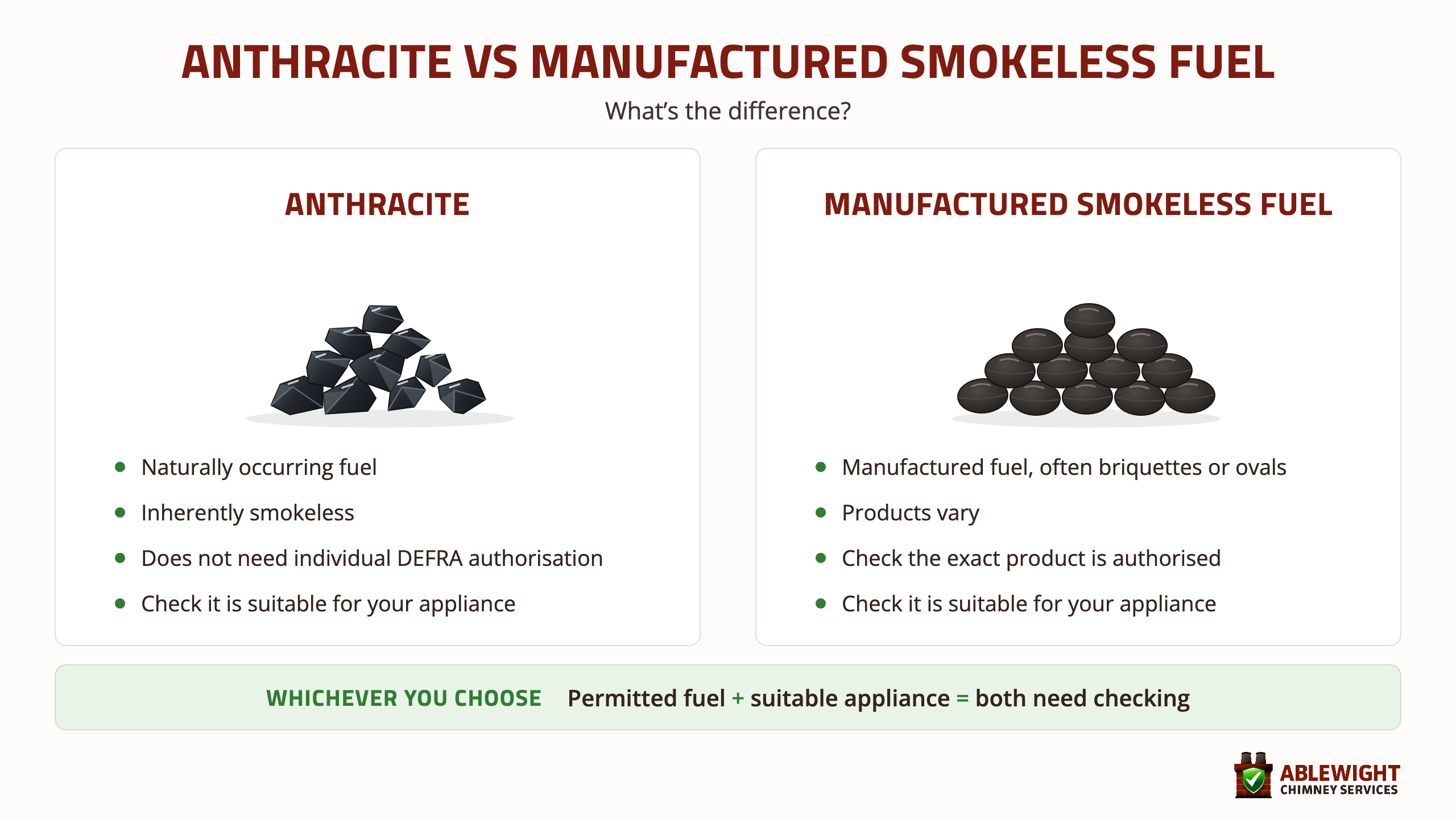
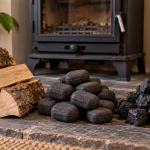
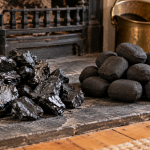
Anthracite is a naturally occurring form of coal. Manufactured smokeless fuels are made products, usually formed into briquettes or ovals.
There is no single manufactured fuel with one set of burning characteristics. Different products are made differently and can behave differently, so check the manufacturer’s instructions rather than choosing solely because a bag says “smokeless”.
Anthracite is known for burning with relatively little smoke, but it can require a good established fire and suitable airflow to get going. Manufactured smokeless fuels are available in a wide range of products designed for different appliances and uses.
The most important consideration is not which category is universally “best”; it is whether the exact fuel is permitted and suitable for your appliance.
Can I Burn Smokeless Fuel on an Open Fire?
Yes. In a Smoke Control Area, you can use an authorised fuel or an inherently smokeless fuel such as anthracite on an open fire, provided the particular fuel is suitable for open-fire use.
You cannot simply burn ordinary logs on an open fire because the wood is dry or labelled Ready to Burn.
Read our Cambridge open-fire rules →
Can I Burn Smokeless Fuel in a Multi-Fuel Stove?
Yes, provided the stove manufacturer says that particular type of fuel is suitable for the appliance.
This matters particularly if you have a non-DEFRA multi-fuel stove. In a Smoke Control Area you cannot use an unauthorised fuel such as wood in a non-exempt appliance, but you may be able to keep using the stove with a suitable authorised fuel.
See your options for a non-DEFRA stove →
Can I Burn Smokeless Fuel in a Wood-Burning Stove?
Not unless the manufacturer says the appliance is designed for that fuel.
A wood-burning-only stove is designed for wood. The fact that a smokeless fuel is authorised for use in a Smoke Control Area does not make it suitable for every appliance.
If you have a non-DEFRA wood-burning stove, do not simply switch to smokeless solid fuel. See the options for non-DEFRA wood-burning stoves →
Is Ready to Burn Wood an Authorised Smokeless Fuel?
No. Ready to Burn wood is not automatically an authorised fuel for an open fire or non-exempt stove in a Smoke Control Area.
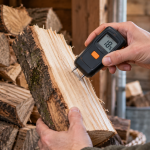
The Ready to Burn scheme for wood relates to rules on the sale of domestic wood fuel, including moisture requirements. Smoke Control Area rules are separate.
If you want to burn ordinary wood in a Smoke Control Area, you need an appliance that is DEFRA exempt for burning that fuel, and you must follow the conditions of its exemption.
Check whether your stove is DEFRA exempt →
Frequently Asked Questions
Is anthracite a smokeless fuel?
Yes. Anthracite is classed as an inherently smokeless fuel and can be used in Smoke Control Areas, provided it is suitable for your appliance.
Do all smokeless fuels need to be on the DEFRA authorised-fuels list?
No. Anthracite, semi-anthracite and low volatile steam coal are inherently smokeless. Manufactured solid fuels should be checked against the official authorised-fuels list.
Can I use smokeless fuel in a non-DEFRA stove?
Potentially, yes. If the stove is designed to burn that type of fuel, a suitable authorised fuel can be used without the appliance itself being DEFRA exempt. A wood-burning-only stove should not be treated as a multi-fuel stove.
Can I burn Ready to Burn logs on an open fire in a Smoke Control Area?
No, not simply because they are Ready to Burn. Ready to Burn wood is still wood. In a Smoke Control Area, ordinary wood is an unauthorised fuel and can only be burned in an exempt appliance permitted to burn it.
How do I check whether a manufactured smokeless fuel is authorised?
Search the exact product on the official DEFRA authorised-fuels list and check the product information and packaging.