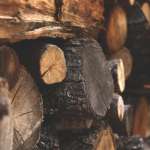
Seasoned wood is firewood that has been allowed to dry so that much of its natural moisture has evaporated. For burning at home, the important figure is the moisture content of the log: aim for 20% or less. How the wood reached that moisture level matters less than the reading itself.
In This Guide
- What is seasoned wood?
- What moisture content should firewood be?
- Does leaving wood for two years mean it is seasoned?
- Is seasoned wood the same as kiln-dried wood?
- Why does dry firewood matter?
- How can you tell if wood is seasoned?
- How should you check firewood with a moisture meter?
- What does Ready to Burn mean?
- How should seasoned wood be stored?
- Frequently Asked Questions
What Is Seasoned Wood?
Seasoned wood is wood that has been dried before it is burned. Traditionally this means logs that have been split and left to air-dry for a period of time, with good ventilation and protection from rain.
There is no useful rule that says wood becomes ready to burn simply because it has been stored for a particular number of months. Species, log size, when the wood was split, airflow, weather and storage conditions all affect how quickly it dries.
That is why we recommend judging firewood by its moisture content rather than its age.
What Moisture Content Should Firewood Be?
Firewood should have a moisture content of 20% or less before you burn it. This is the practical threshold used in current government guidance for domestic wood burning in England.
Freshly cut or poorly stored wood can contain considerably more moisture. When wet wood is put on a fire, some of the heat produced has to drive off that water rather than heating the room. The fire can burn cooler and smokier and create more deposits within the appliance and chimney.
The percentage is therefore much more useful than descriptions such as “seasoned for a year” or “dry-looking logs”.
Does Leaving Wood for Two Years Mean It Is Seasoned?
No. Wood does not become properly seasoned simply because it has been left for a year or two. How it is stored is crucial.
One of the problems we regularly come across is homeowners who have felled a tree, left the timber lying outside for a couple of years and assume that it must now be seasoned and ready to burn. Time alone does not tell you whether the wood is dry enough.
If logs are left directly on the ground — whether that is grass, soil or concrete — they can absorb moisture. If they are exposed to rain or stored without adequate airflow, they may still be far too wet to burn well even after a long period of time.
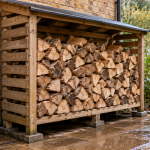
To season firewood effectively, it should be split and stored raised off the ground, protected from rain and with good airflow around the logs. Time and the right storage conditions allow the wood to dry; a moisture meter tells you whether it actually has.
Storage is important both while you are seasoning freshly cut wood and after you have bought dry logs. See our guide to storing firewood and keeping logs dry for the correct way to store it.
Is Seasoned Wood the Same as Kiln-Dried Wood?
Both naturally seasoned and kiln-dried wood can be suitable to burn if the moisture content is 20% or less. The main difference is how the moisture has been removed.
Seasoned wood is normally dried naturally over time using airflow. Kiln-dried wood is dried in controlled conditions, which speeds up the process.
From a chimney and burning point of view, we are much more interested in the moisture level of the logs than whether they reached it naturally or in a kiln. Kiln-dried does not automatically make a particular log “better” than properly dried, naturally seasoned wood.
Why Does Dry Firewood Matter?
Dry wood is easier to burn effectively because less of the fire’s energy is being used to evaporate water from the fuel.
Burning wood that is too wet can contribute to:
- more smoke and poorer combustion;
- less useful heat from the fuel;
- difficulty lighting or maintaining the fire;
- blackening of stove glass;
- increased soot, tar and creosote deposits within the chimney or flue; and
- a greater need for chimney maintenance.
Fuel is only one part of good burning practice. The appliance, air supply, burning technique and chimney condition also matter. Our guide to preventing chimney fires through burning technique and maintenance explains why consistently cool or poor combustion can create problems in the flue.
How Can You Tell If Wood Is Seasoned?
The most reliable practical check for a homeowner is a moisture meter. Appearance alone cannot tell you precisely how much moisture remains inside a log.
Drying wood may become lighter, develop cracks at the ends, sound more hollow when pieces are knocked together and have looser bark. These can be useful clues, but none gives you a moisture percentage.
We therefore recommend that households regularly burning wood have a simple moisture meter rather than relying on how the logs look or how long they have been stored.
How Should You Check Firewood With a Moisture Meter?
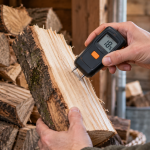
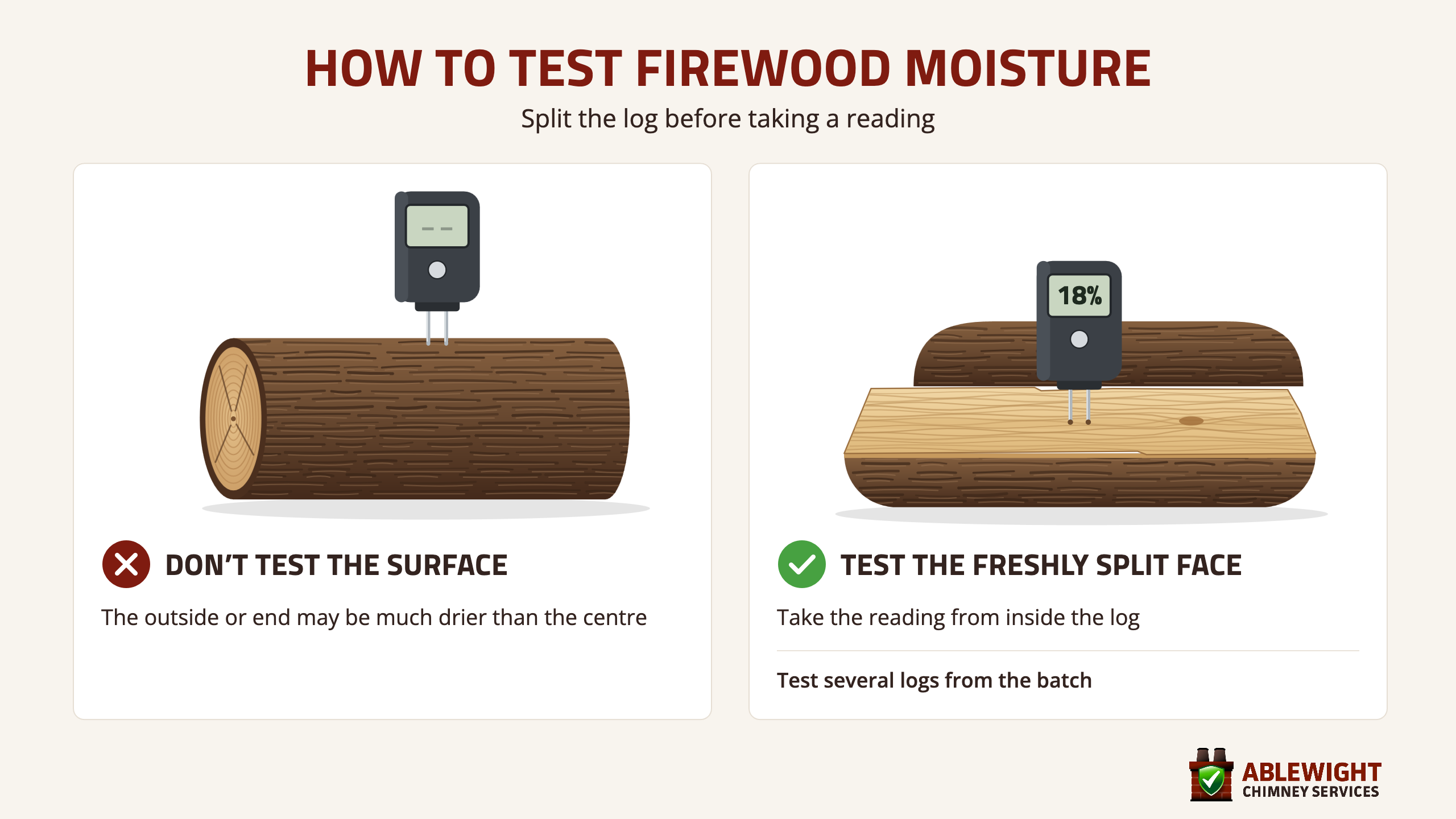
Split the log and take the reading from the freshly exposed inner face. Testing only the outside can give a misleading impression because the surface may be considerably drier than the centre.
Follow the instructions for your particular meter and test more than one log from a batch rather than assuming that one reading represents the whole load.
You do not need an expensive professional meter simply to make sensible checks on domestic firewood. We do not recommend a particular brand; our separate guide to choosing and using a firewood moisture meter explains what to look for and how to take useful readings.
What Does Ready to Burn Mean?
In England, Ready to Burn is a certification used for wood fuel sold in quantities of less than 2 cubic metres and confirms a moisture content of 20% or less.
This is different from saying that “seasoned wood” has a single legal definition. Current rules regulate the supply of domestic wood fuel: smaller quantities must meet the certification requirements, while suppliers selling quantities of 2 cubic metres or more must provide customers with information about drying, storing and checking the wood before it is burned.
If you buy packaged or smaller-volume firewood, look for the Ready to Burn logo and certification details. If you buy a larger load or season your own logs, use a moisture meter before burning them.
Smoke Control Areas have additional rules about what can be burned and in which appliances. Always check the requirements that apply to your property and follow the fuel instructions for your appliance.
How Should Seasoned Wood Be Stored?
Once firewood is dry enough to burn, it still needs to be stored correctly to keep it that way. Seasoned or kiln-dried logs can absorb moisture again if they are left exposed to rain, in contact with damp ground or stored without enough airflow.
Keep dry logs raised off the ground, sheltered from direct rainfall and ventilated. The aim at this stage is not to season the wood again, but to prevent correctly dried fuel from becoming wet before you burn it.
For more detail on both seasoning freshly cut wood and keeping dry logs in good condition, see our guide to storing firewood and keeping logs dry.
Burning Wood? Keep Your Chimney Properly Maintained
Even when you burn correctly seasoned wood, soot and other combustion deposits build up in the flue. Regular sweeping removes these deposits and helps keep your chimney clear and safe to use.
Frequently Asked Questions
What does seasoned wood mean?
Seasoned wood is firewood that has been allowed to dry before burning. Rather than relying on the length of time it has been stored, check that the moisture content is 20% or less.
Is kiln-dried wood better than seasoned wood?
Not necessarily. Kiln drying speeds up moisture removal, but properly seasoned air-dried wood can also be suitable to burn. The important factor is the moisture content of the logs.
Can seasoned wood still be too wet to burn?
Yes. “Seasoned” does not guarantee a particular moisture reading, and previously dry logs can also absorb moisture if stored badly. Test a freshly split surface with a moisture meter if you are unsure.
Can you season firewood by leaving it on the ground?
No. Firewood should be raised off the ground, protected from rain and stored with good airflow. Logs left directly on grass, soil or concrete can absorb moisture rather than drying effectively.
Do I need a moisture meter for firewood?
If you regularly burn wood, we recommend having one. It is a simple way to check whether logs are at 20% moisture or less instead of relying on appearance, weight or storage time.