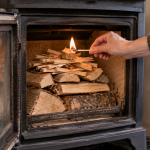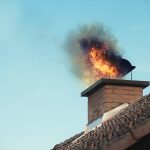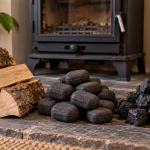
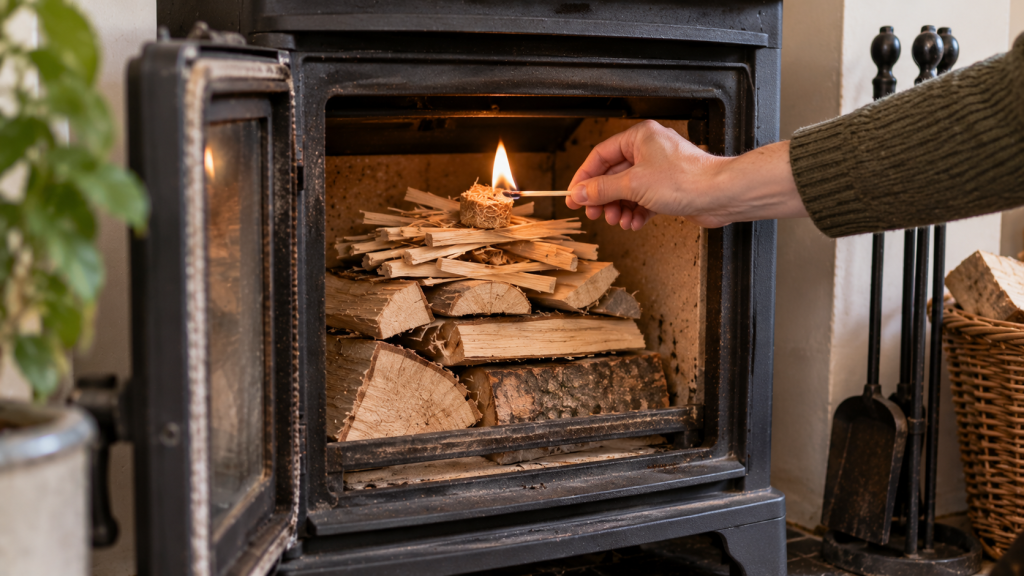
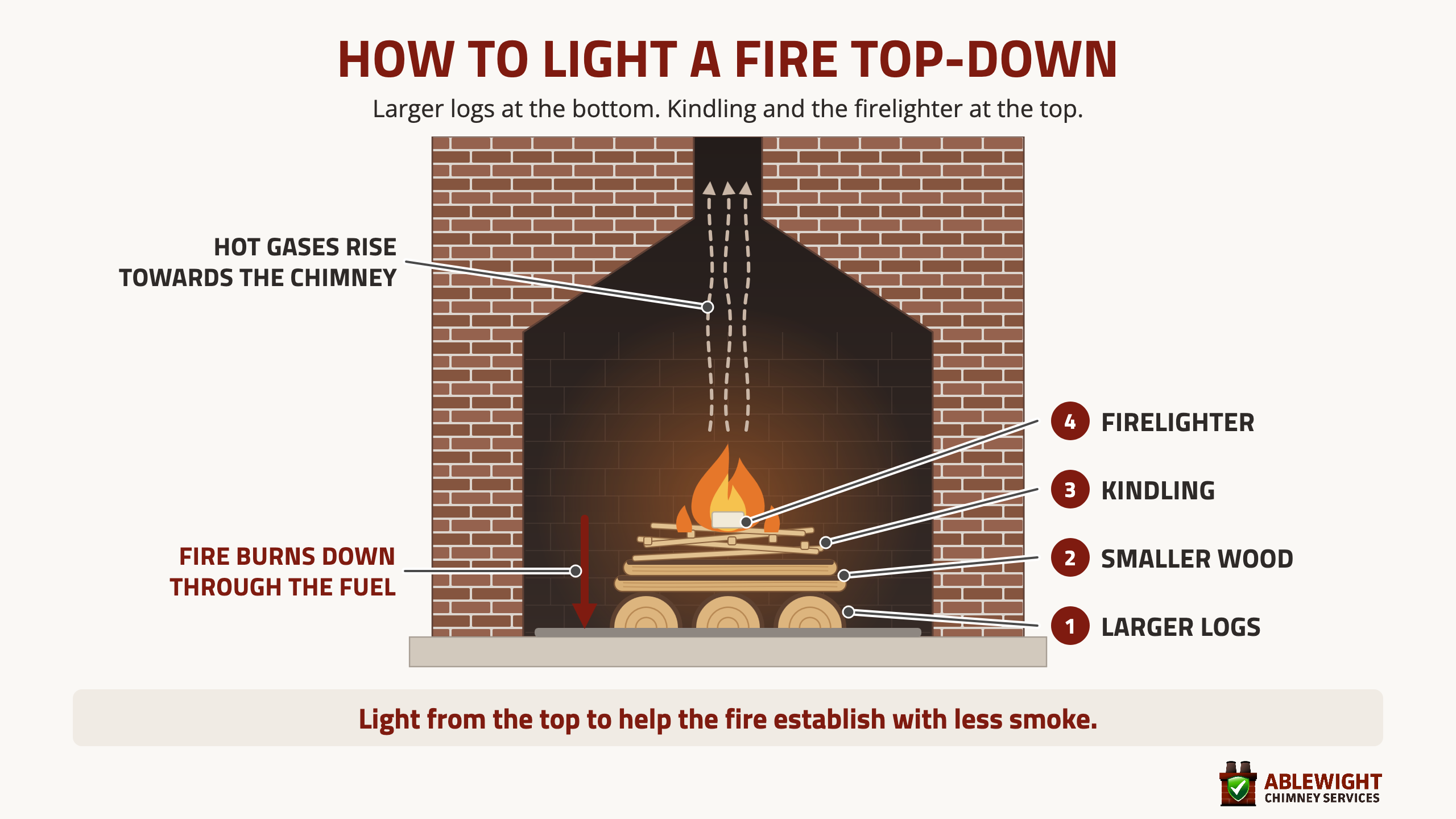
The top-down method lights a wood fire from the top of the fuel stack rather than underneath it. Larger logs sit at the bottom, with progressively smaller pieces of wood, kindling and the firelighter above. Lighting the kindling at the top can help the fire establish with less smoke than a traditional bottom-up start.
The top-down method isn’t limited to wood-burning stoves. The same basic method can be used when burning wood in multi-fuel stoves, open fireplaces, inglenooks and appliances such as Jetmasters. Where an appliance has specific lighting or operating instructions, always follow the manufacturer’s guidance.
In This Guide
- What is the top-down fire lighting method?
- How do you light a fire using the top-down method?
- Why does the top-down method produce less smoke?
- How should you operate your stove or appliance when lighting a fire?
- Why won’t a top-down fire light properly?
- Does firewood moisture affect how easily a fire lights?
- Frequently Asked Questions
What Is the Top-Down Fire Lighting Method?
Top-down lighting reverses the traditional way many people build a fire. Instead of placing a firelighter and kindling underneath the logs, you build the main fuel stack first and put the smallest material at the top.
The fire is then lit at the top and works its way down through the stack. The aim is to establish a strong, hot flame around the smaller material first, while the larger logs below begin to warm before they ignite.
The principle is simple: larger pieces of wood at the bottom, smaller pieces above, with kindling and the ignition point at the top.
How Do You Light a Fire Using the Top-Down Method?
Step 1: Place the Larger Logs at the Bottom
Start with your larger pieces of dry firewood at the bottom of the fire. Leave some space between the pieces rather than packing them tightly together so air can move through the fuel.
Step 2: Add Smaller Wood Above
Place smaller split pieces of wood above the larger logs. Arrange them securely while maintaining gaps through the stack for airflow.
Step 3: Put Kindling and the Firelighter on Top
Add dry kindling at the top of the stack with a suitable firelighter. The smallest, easiest-to-light material should be at the top rather than buried underneath the main logs.
Step 4: Light the Fire From the Top
Light the firelighter at the top. Allow the kindling and smaller wood to establish before the fire progresses into the larger logs below.
If you are using a stove or other appliance with air controls, doors or a manufacturer’s specified lighting procedure, follow those instructions rather than applying a universal setting or timing.
Why Does the Top-Down Method Produce Less Smoke?
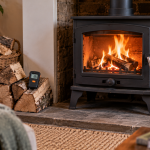
A top-down fire establishes flames at the top of the fuel stack, where the hot gases can rise directly towards the chimney. This helps warm the flue and establish draught while the larger pieces of wood below are still heating up.
With a traditional bottom-up fire, the initial flame is underneath a larger quantity of cold fuel. As that fuel begins to heat, it can produce more smoke before the fire and chimney are fully established.
Top-down lighting cannot eliminate smoke altogether, and it cannot compensate for damp wood, poor appliance operation or a chimney problem. It is simply a useful technique for creating a cleaner start when burning suitable dry wood.
What Air Settings Should You Use When Lighting a Fire?
Use the lighting and air-control settings specified by the appliance manufacturer. Different stoves and appliances manage combustion air differently, so there is no single vent position that is correct for every installation.
If you are unsure how the primary, secondary or other air controls on your appliance should be used during lighting, check the manufacturer’s operating instructions rather than relying on generic advice.
For an open fireplace or inglenook without appliance air controls, make sure any appropriate damper or other fitted control is in the correct operating position before lighting the fire.
When Should You Close the Stove or Appliance Door?
Follow the manufacturer’s lighting instructions for your particular appliance. Some stove instructions may specify a particular door position during ignition, while others may require a different procedure.
We do not recommend using a fixed rule such as leaving every stove door ajar for a set number of minutes. The correct procedure depends on the appliance you have.
Why Won’t a Top-Down Fire Light Properly?
If the fire struggles to establish, common things to check include:
- Damp firewood. Wood with too much moisture is harder to light and can produce more smoke.
- Too little kindling. The initial fire needs enough small, dry material to establish properly.
- Fuel packed too tightly. A dense stack can restrict the movement of air through the fire.
- Incorrect appliance settings. Check the manufacturer’s instructions for the correct lighting procedure and air-control positions.
- A chimney or draught problem. If smoke repeatedly enters the room or the fire consistently struggles despite suitable fuel and correct operation, the issue may need further investigation.
If smoke coming back into the room is a recurring problem rather than something limited to your lighting technique, stop using the fire until the cause has been identified.
Does Firewood Moisture Affect How Easily a Fire Lights?
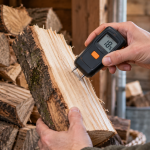
Yes. No lighting method can make damp firewood burn as cleanly or easily as properly dried wood. When wood contains too much moisture, some of the fire’s energy is used to drive that water off rather than establishing effective combustion.
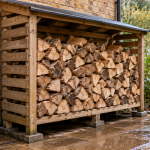
Aim to burn firewood at 20% moisture content or less. Our guide to seasoned wood and moisture content explains how to check whether logs are ready to burn. If you store your own fuel, see our firewood storage guide.
A Cleaner Start Still Needs a Clean Chimney
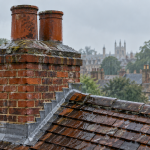
Good lighting technique and dry firewood can help reduce smoke, but soot and other combustion deposits will still build up in the flue. Regular sweeping removes these deposits and helps keep your chimney clear and safe to use.
Frequently Asked Questions
Can you use the top-down method in different types of fireplaces and stoves?
Yes. When burning wood, the basic top-down principle can be used in wood-burning stoves, multi-fuel stoves, open fireplaces, inglenooks and appliances such as Jetmasters. Where an appliance has its own lighting or operating instructions, follow the manufacturer’s guidance.
Is top-down lighting better than lighting a fire from the bottom?
Top-down lighting can give a cleaner start because the initial flame is above the larger fuel rather than underneath it. This helps the hot gases move towards the chimney while the main logs warm gradually. Whichever method you use, dry fuel and correct appliance operation remain important.
Why does my fire smoke when I first light it?
A small amount of smoke can occur during lighting, but excessive or recurring smoke may be caused by damp wood, insufficient airflow, incorrect appliance operation, a cold or poorly drawing chimney, or another flue problem. If smoke repeatedly enters the room, stop using the fire until the cause has been identified.