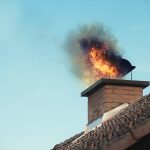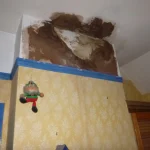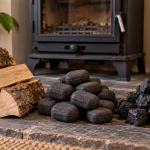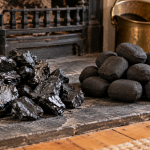
Chimney fires happen when combustible deposits inside the flue ignite. Tar and creosote are particularly important because they can build up when fuel burns inefficiently or smoke cools and condenses inside the chimney. The most useful prevention measures are therefore to burn suitable fuel correctly, avoid prolonged smouldering, and have the chimney swept at the recommended frequency for the fuel and appliance.
No single burning technique can guarantee that deposits will never form. The appliance, chimney, fuel and amount of use all matter, so repeated tar or creosote buildup should be investigated rather than simply removed again and again.
If you are looking for the symptoms of an existing problem rather than prevention, see our chimney fire warning signs guide.
In This Guide
What Causes Chimney Fires?
Tar and creosote deposits can form when fuel burns inefficiently or smoke cools and condenses inside the flue. If enough combustible material accumulates and ignites, it can cause a chimney fire.
Prevention therefore focuses on the conditions that encourage deposits to form, including:
- Burning wood with too much moisture
- Allowing a fire to smoulder for prolonged periods
- Restricting the appliance’s air supply excessively
- Using unsuitable fuel
- Heavy use without sufficient sweeping
- Chimney or appliance conditions that encourage deposits to form
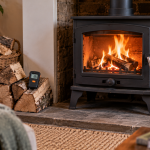
The aim is not simply to create the hottest fire possible. A stove should be operated according to its manufacturer’s instructions so that the fuel burns effectively without routinely being starved of air or the appliance being over-fired.
How Should You Burn a Wood Stove to Reduce Chimney Fire Risk?
Good combustion reduces the smoky, low-temperature conditions that encourage tar and creosote formation. Because stove designs differ, the manufacturer’s instructions should always take priority over generic advice about air-control positions or fuel loads.
Establish the fire properly
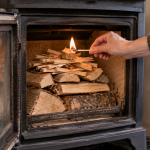
Use dry kindling and suitable firelighters to establish a fire before adding larger logs. Avoid loading large pieces of wood onto a weak fire and then restricting the air supply before they have caught.
If it suits your appliance, a top-down lighting method can help establish the fire cleanly. Our guide to lighting a wood burner using the top-down method explains the technique.
Avoid prolonged smouldering
Do not routinely close the air controls down simply to make a load of wood last as long as possible. A fire that is repeatedly starved of air can produce more smoke and encourage deposits to form in the chimney.
Operate the appliance within the manufacturer’s guidance. Air-control arrangements vary between stoves, so there is no universal setting that is correct for every appliance and installation.
Do not overload or over-fire the appliance
More heat is not automatically safer. Follow the manufacturer’s guidance on fuel load and operation. Over-firing can damage the stove or flue, while overloading can interfere with effective combustion.
What Fuel Should You Use to Reduce Chimney Fire Risk?
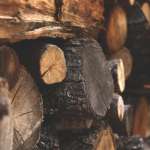
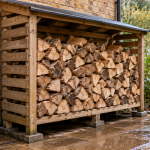
When burning wood, moisture content matters. Wet wood uses energy evaporating water, which can lower combustion efficiency and produce more smoke.
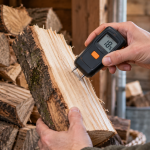
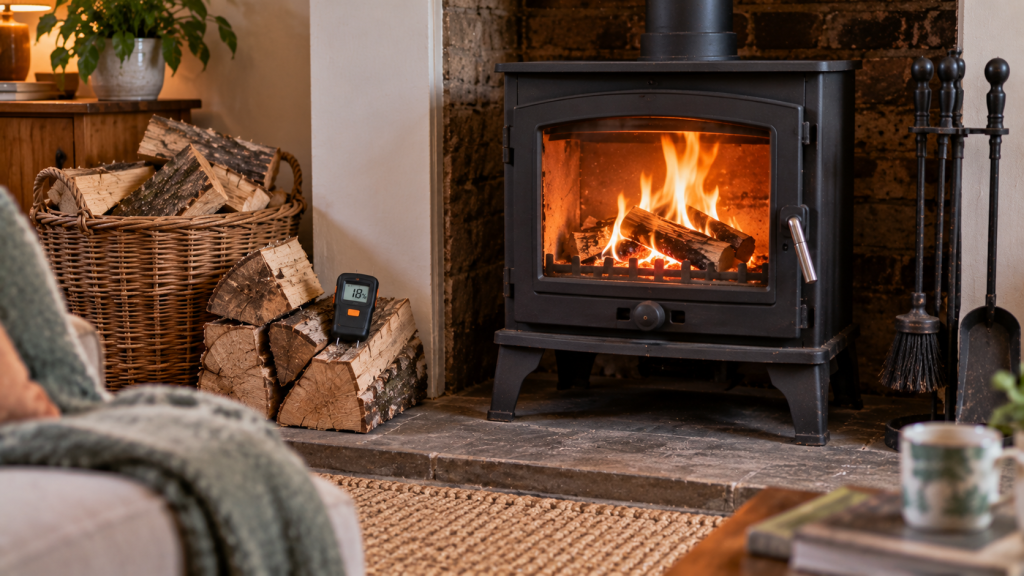
Use properly dried wood that is suitable for your appliance. If you are unsure about moisture content, test a freshly split face with a moisture meter rather than relying only on how dry the outside looks.
For more detail, see our guides to seasoned wood and moisture requirements and using a moisture meter for firewood.
Do not burn treated, painted or preserved timber, manufactured boards, plastics or household waste in a wood-burning stove or open fire. Use only fuels suitable for the appliance and, where relevant, the rules applying in your area.
How Does Chimney Sweeping Help Prevent Chimney Fires?
Chimney sweeping removes soot and removable deposits before they accumulate further. It can also reveal unusual deposits, blockages or other signs that warrant attention.
There are established guidelines for how often different types of chimneys and appliances should be swept, although the frequency may need to increase depending on use and what is found during sweeping.
See our chimney sweeping frequency guide for the recommended intervals for different fuels and appliances.
Do Not Try to Burn Deposits Out of the Chimney
Do not deliberately create an unusually hot fire to try to remove tar or creosote. These deposits are combustible, and igniting them can cause a chimney fire.
If deposits remain after ordinary sweeping, they may require specialist treatment.
What Should You Do If Tar or Creosote Keeps Building Up?
Repeated tar or creosote buildup is a sign that the underlying cause needs attention. Simply removing the deposits without considering why they are forming can allow the same problem to return.
Possible contributors include wet fuel, prolonged low-temperature burning, appliance operation, ventilation, chimney temperature or the chimney arrangement itself.
Loose deposits may be removed during ordinary sweeping. Hardened, glazed or firmly bonded material can require specialist treatment. Our creosote and tar guide explains the signs and risks, while our tar and creosote removal service explains how we treat deposits that ordinary sweeping cannot remove.
If you have had or suspect a chimney fire, do not use the chimney again until it has been appropriately assessed. See our chimney fire warning signs guide for the symptoms, immediate action to take and what is required before the chimney is used again.
Need Your Chimney Swept or Deposits Investigated?
If your chimney is due for sweeping, you have noticed unusual deposits, or you are concerned about the way your fire is burning, tell us what you have observed when requesting an appointment.
Frequently Asked Questions
What is the best way to prevent a chimney fire?
Reduce the conditions that allow combustible deposits to build up: use suitable dry fuel, operate the appliance according to the manufacturer’s instructions, avoid prolonged smouldering and have the chimney swept at an appropriate frequency.
Can wet wood increase the risk of a chimney fire?
Yes. Wood with too much moisture can burn less efficiently and produce more smoke, encouraging tar and creosote deposits to form inside the chimney. Those deposits are combustible.
Does burning a stove hotter prevent creosote?
Not simply by making the stove as hot as possible. The aim is effective combustion in accordance with the appliance manufacturer’s instructions. Deliberately over-firing a stove or trying to burn existing deposits out of a chimney can be dangerous.
Can I prevent chimney fires by sweeping once a year?
Yes, regular chimney sweeping helps prevent chimney fires by removing soot and combustible deposits before they build up. But sweeping alone is not enough. You should also burn suitable fuel, avoid prolonged smouldering, operate your appliance correctly and follow the other prevention measures in this guide. See our chimney sweeping frequency guide to check how often your chimney should be swept.
Can I use a creosote-removing product instead of chimney sweeping?
No. Specialist products may form part of the treatment for deposits that ordinary sweeping cannot remove, but they do not replace professional sweeping. The chimney still needs to be physically swept and the treated material removed.