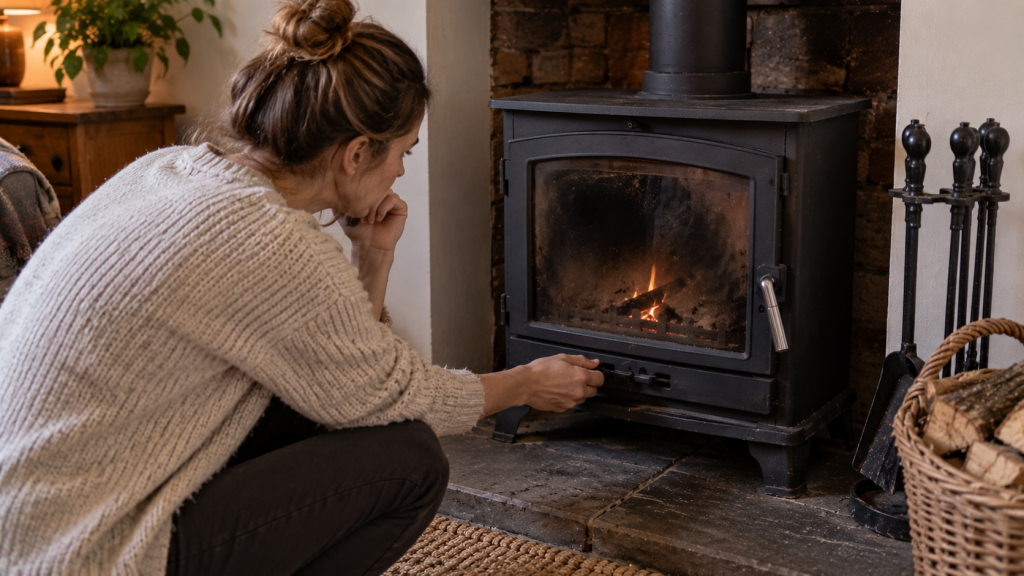
If your wood-burning or multi-fuel stove isn’t working as well as it used to, the stove itself isn’t necessarily the problem.
Poor stove performance can be caused by the fuel you’re burning, the way the stove is being operated, the supply of combustion air, the condition of the stove itself, or a problem with the chimney or flue. The symptoms you’re experiencing can help narrow down where the problem lies.
Throughout this guide, we use the word “stove” to refer to both wood-burning and multi-fuel stoves.
This guide covers some of the most common stove problems, what you can check yourself and when it’s worth getting the stove or chimney professionally checked.
In This Guide
Why Isn’t My Stove Producing Enough Heat?
If your stove is burning but you’re not getting the heat you expect, start with the basics.
Check the Fuel
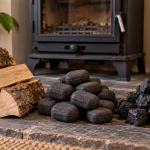
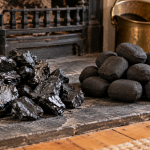
The fuel you’re burning can have a significant effect on stove performance.
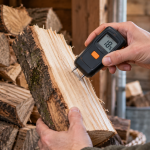
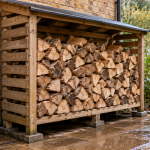
If you’re burning wood, it should have a moisture content of 20% or less. Wood with too much moisture doesn’t burn as efficiently because more of the fire’s energy is used driving moisture from the logs rather than producing useful heat.
The type, size and quantity of fuel can also affect how the stove performs, so follow the manufacturer’s instructions for your particular appliance.
Check the Air Controls
Your stove needs an appropriate supply of air for combustion.
Make sure you’re operating the air controls in accordance with the manufacturer’s instructions and check that the controls move freely.
If an air control has become stiff, stuck or difficult to operate, don’t force it. Air controls are one of the components we check during a professional stove service.
Consider the Chimney
A stove relies on the chimney to create the draw that carries combustion gases away.
If the chimney isn’t drawing properly, the stove may be difficult to light, burn poorly or produce smoke.
There are numerous possible causes of chimney draw problems, so persistent problems may need investigating rather than assuming the stove itself is at fault.
Why Does My Stove Keep Going Out?
If your wood burner or multi-fuel stove keeps going out, it doesn’t necessarily mean there’s a fault with the appliance.
Possible causes include:
- fuel that is too damp or unsuitable for the appliance;
- insufficient air reaching the fire;
- air controls being incorrectly set or obstructed;
- problems establishing sufficient chimney draw; or
- the way the fire has been built or operated.
If the problem has suddenly started after the stove previously worked normally, think about what’s changed.
Are you using different fuel? Has anything changed within the room or property? Is the stove behaving differently in particular weather conditions?
If nothing obvious explains the change, further investigation may be worthwhile.
Why Does My Stove Glass Keep Turning Black?
Some deposits on stove glass are normal and can be cleaned once the appliance is completely cold.
Glass that becomes heavily blackened very quickly, however, can indicate that the fuel isn’t burning cleanly.
Possible contributors include wet wood, insufficient combustion air or operating the stove at too low a temperature.
Before assuming the glass itself is the problem, look at the fuel you’re burning and how the stove is being operated.
For routine cleaning and maintenance, see our Wood-Burning & Multi-Fuel Stove Maintenance Guide.
Worried There’s a Problem With Your Stove?
We service wood-burning and multi-fuel stoves in Cambridge and the surrounding area. If you’re unsure whether the problem is with the stove or chimney, let us know what you’ve noticed when requesting availability.
Why Can’t I Control the Fire Properly?
If adjusting the air controls no longer seems to have the effect it used to, the stove may need closer inspection.
One thing worth checking is the door rope seal.
The seal helps control the amount of air entering the stove. If it has deteriorated, flattened or come away, uncontrolled air can enter the firebox and make the fire more difficult to regulate.
You can visually inspect the rope for obvious deterioration.
Our Wood-Burning & Multi-Fuel Stove Maintenance Guide also explains a simple paper test you can use at home as an indication of whether the door is sealing evenly.
Air controls themselves can also become stiff or obstructed and are checked during professional servicing.
Why Is Smoke Coming From My Stove?
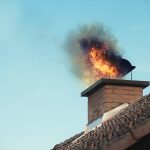
Smoke entering the room should not simply be treated as a normal stove problem.
Possible causes include:
- inadequate chimney draw;
- a blockage or restriction within the chimney;
- inadequate ventilation;
- weather or pressure conditions;
- the fuel being burned or the way the fire is being operated; or
- an issue with the stove or its connection to the flue.
If smoke is escaping into the room, stop using the appliance until the cause has been established.
A stove service alone isn’t necessarily the answer because the problem may lie elsewhere in the system. If the stove itself appears to need attention, see our wood-burning and multi-fuel stove servicing page for details of what our service includes.
Could the Chimney Be Causing the Stove Problem?
Yes. The stove and chimney work together as a system.
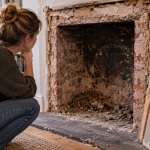
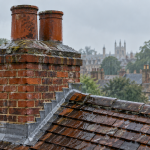
A perfectly serviceable stove can still perform badly if the chimney isn’t providing sufficient draw or if soot, deposits, a blockage or another chimney problem is affecting the flue.
This is also why stove servicing and chimney sweeping are two different jobs.
Sweeping concentrates on cleaning the chimney or flue. Servicing involves removing, cleaning and checking accessible components of the stove itself.
If you’re experiencing a performance problem, identifying whether it appears to originate with the fuel, stove, airflow or chimney helps determine what needs investigating.
When Does a Stove Need Servicing?
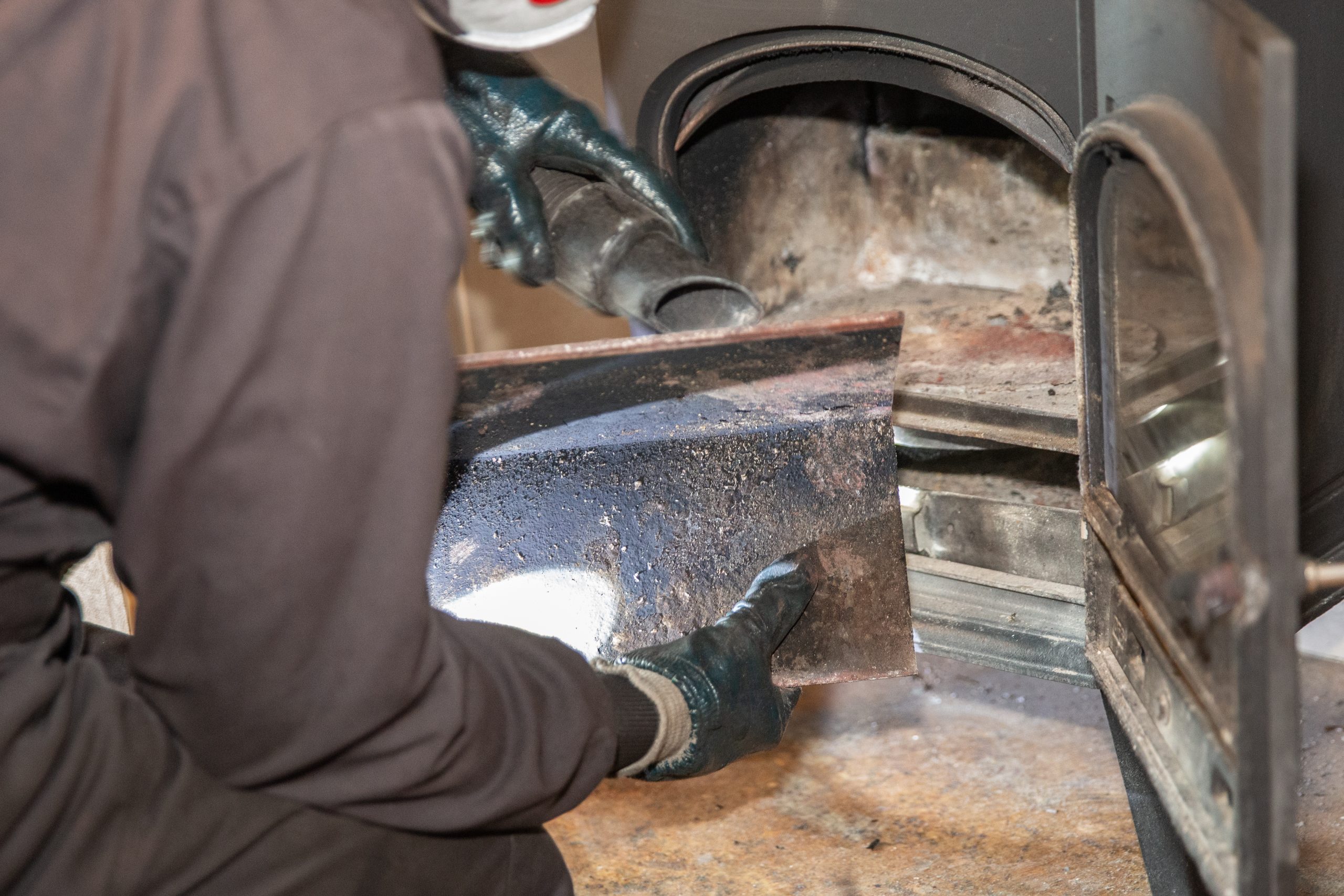
Visible deterioration or a change in the way the stove operates can be reasons to have it checked.
Things worth paying attention to include:
- damaged or badly deteriorated fire bricks;
- damaged glass;
- worn or damaged door seals;
- stiff air controls;
- difficulty controlling the fire; and
- visible deterioration of internal components.
Servicing frequency itself isn’t the same for every stove.
If your appliance is under warranty, follow the manufacturer’s servicing requirements. Outside the warranty period, the appropriate frequency depends on the stove, its use and condition.
For more detailed maintenance advice, see our Wood-Burning & Multi-Fuel Stove Maintenance Guide. If your stove or chimney liner is still under warranty, see Stove & Chimney Liner Warranties: Why Sweeping and Servicing Matter.
Stove Not Working as It Should?
If you think the problem may be with the stove itself, we provide wood-burning and multi-fuel stove servicing in Cambridge and the surrounding area.
Frequently Asked Questions
Why has my stove suddenly stopped working properly?
Think about anything that has changed since it last worked normally. Different fuel, wet wood, changes to ventilation, problems with chimney draw or deterioration within the stove can all affect performance. If there isn’t an obvious explanation, the stove or chimney may need further investigation.
Why does my stove keep going out?
Possible causes include damp or unsuitable fuel, insufficient combustion air, incorrect use of the air controls or inadequate chimney draw. The cause needs to be established rather than assuming the stove itself requires repair.
Does black stove glass mean something is wrong?
Not necessarily. Some deposits are normal, but glass that becomes heavily blackened very quickly can indicate poor combustion. Check the fuel and how the stove is being operated first.
Will servicing fix a poorly performing stove?
Only if the problem originates with something addressed by the service. Poor stove performance can also be caused by fuel, ventilation or the chimney, so servicing isn’t automatically the solution to every problem.
Is a multi-fuel stove the same as a wood-burning stove?
Not quite. A wood-burning stove is designed for burning wood, while a multi-fuel stove is designed to burn more than one suitable fuel type. Multi-fuel stoves can also burn wood, so the troubleshooting advice in this guide applies to both.