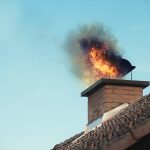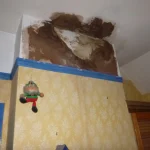
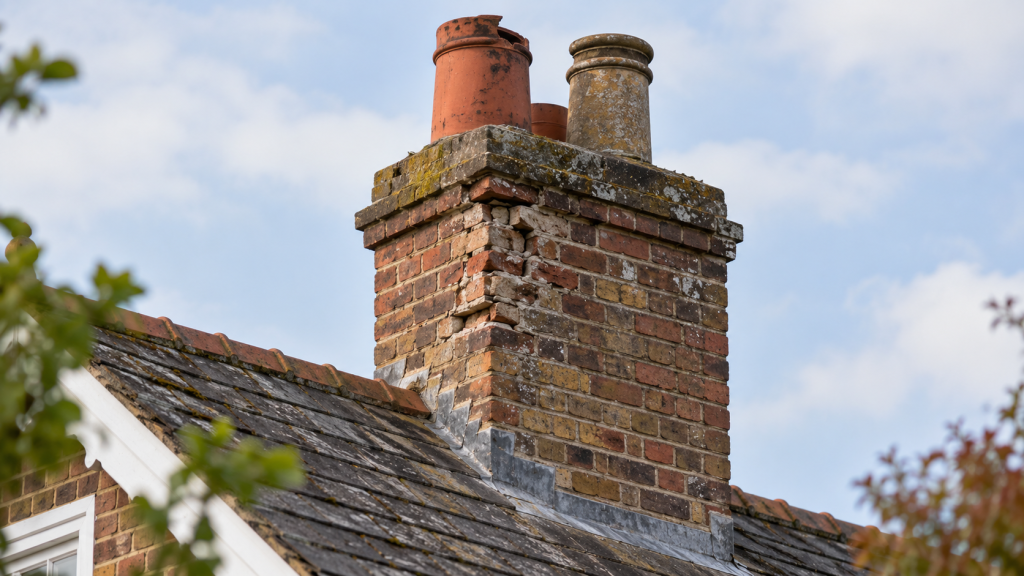
Common signs of a chimney problem include smoke entering the room, unusual smells, damp or staining, debris falling into the fireplace, bird nesting material, poor draught and visible damage to the chimney stack, pot or terminal.
Some of these problems can be identified during a normal chimney sweep; others need further investigation or remedial work. If you’re unsure what’s wrong, a sweep is usually the best place to start.
In This Guide
What Are the Signs of a Chimney Problem?
Problems inside your home often show up as a change: smoke where there wasn’t smoke before, a new smell, staining, falling debris or a fire that no longer draws as it normally does.
Smoke coming back into the room
Smoke entering the room instead of travelling up the chimney means something isn’t working as it should. Possible causes include a blockage, bird nest, poor draught, a cold chimney or a problem with the flue or appliance.
If this has suddenly started happening when the chimney previously worked normally, stop using the fire until the cause has been established. Our guide to blocked chimneys explains the common signs and causes.
An unusual or persistent chimney smell
Chimney smells can have several causes, including soot and tar deposits, damp, bird nests and downdraught bringing chimney odours back into the room. A smell doesn’t automatically mean the chimney is unsafe, but a new or particularly strong smell is worth investigating. Read more in Why Does My Chimney Smell?
Damp or staining around the chimney breast
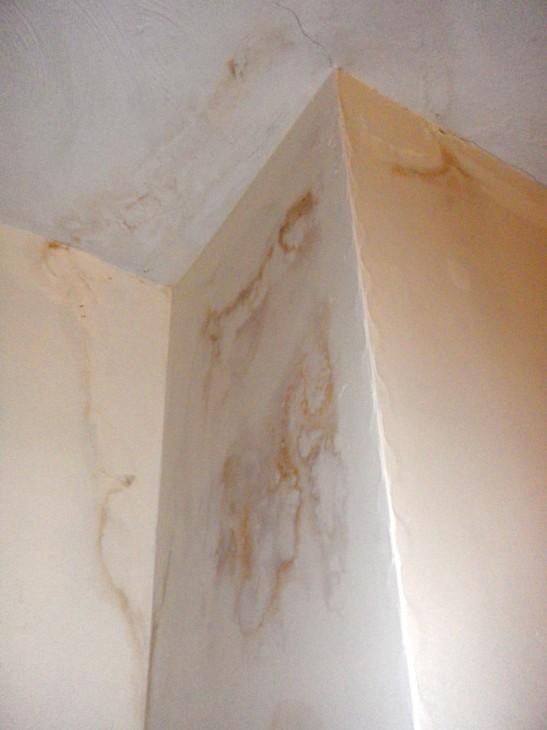
Brown or yellow staining on a chimney breast should be dealt with as soon as you notice it. It is particularly common with disused chimneys that have been blocked incorrectly. If the fireplace has been closed without adequate ventilation, moisture within the chimney may have no effective way to escape.
If there is an air vent serving a disused chimney, don’t cover it with furniture, tape it over or otherwise block it. If we find a chimney vent has been covered, we’ll recommend uncovering it and keeping it clear.
Debris appearing in the fireplace or stove
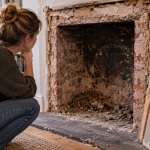
Pieces of masonry, liner material, mortar, twigs or other debris coming down the chimney can all provide clues about what’s happening inside the flue. Twigs are particularly significant because they’re one of the strongest signs that birds, commonly jackdaws, have been nesting in the chimney.
Don’t light a fire in an attempt to burn a suspected nest away. See our guide to bird nests in chimneys for what to do instead.
Concerned About Your Chimney?
If you’ve noticed smoke, staining, unusual smells, falling debris or another change, tell us what you’ve seen. In many cases, a chimney sweep is the best place to start.
Request Appointment AvailabilityWhat Problems Can You Spot Outside?
You don’t need to climb onto the roof to keep an eye on your chimney, and we wouldn’t recommend doing so. Some obvious problems can be seen safely from ground level.
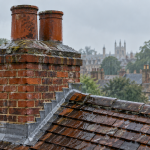
A chimney stack that is leaning or bending
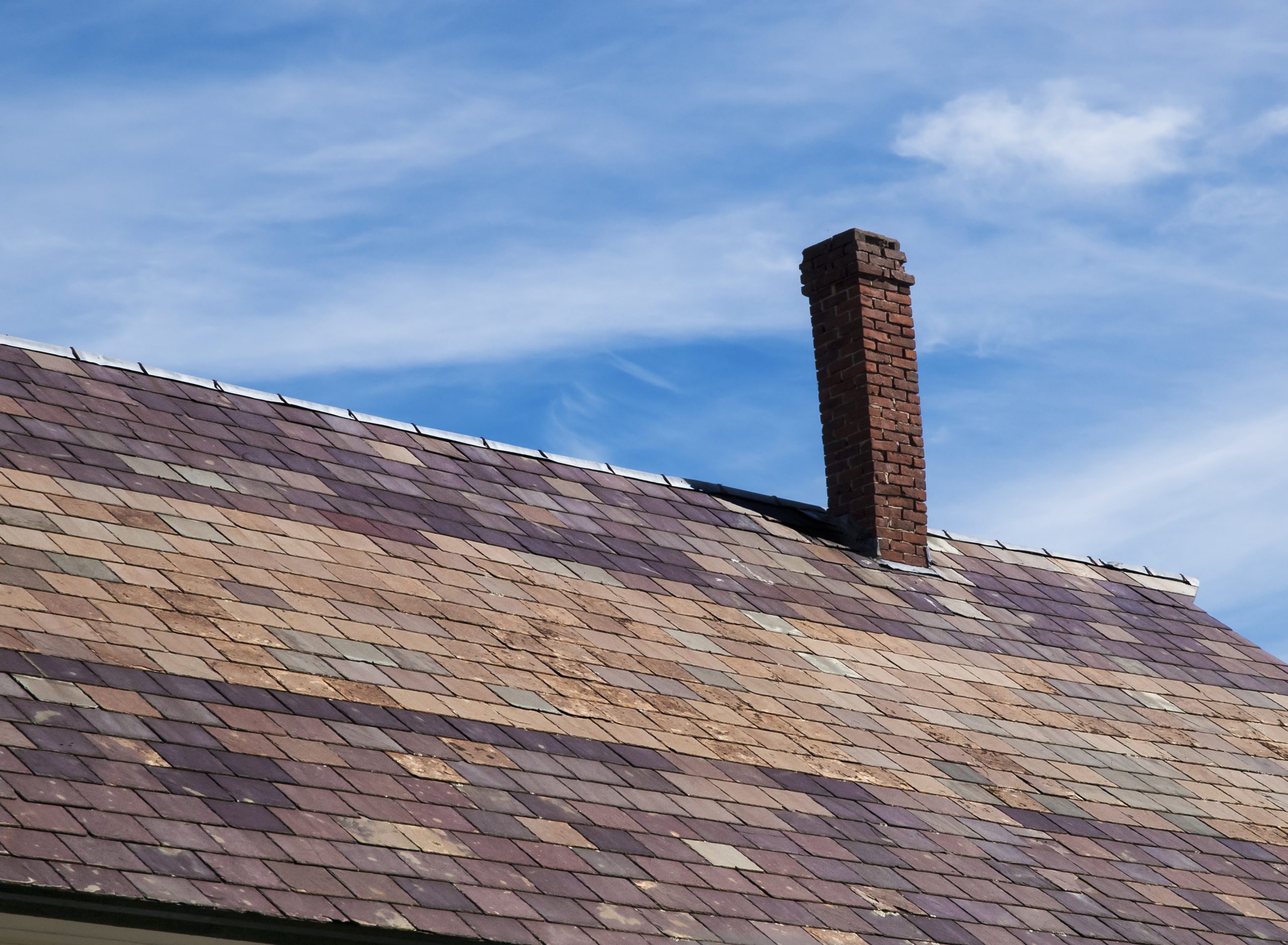
A visibly leaning or bending chimney stack needs urgent attention because of the potential risk of collapse. Don’t wait until your next routine sweep: contact an appropriate builder or chimney specialist to assess the structure.
Badly deteriorated pointing
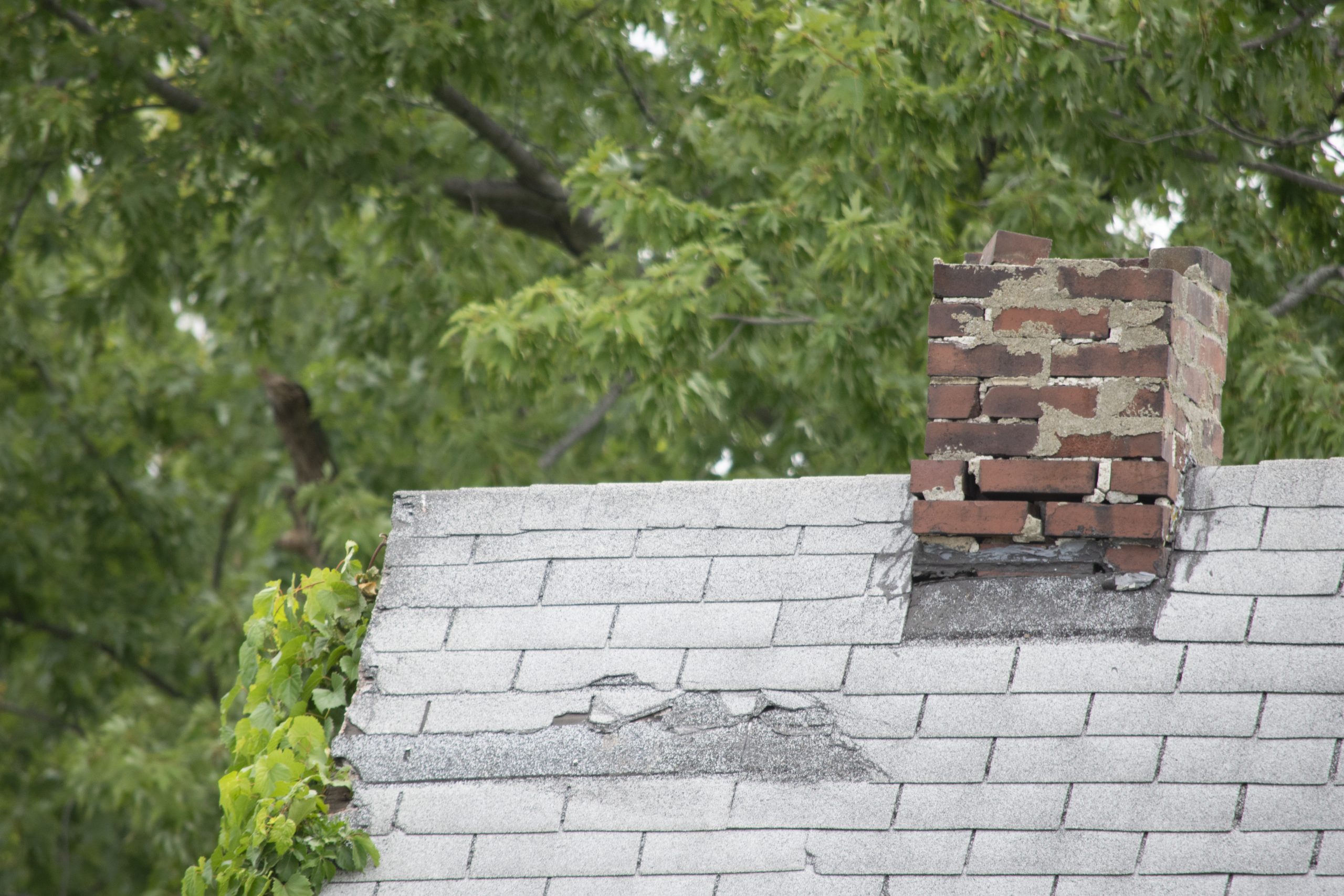
If there are significant gaps in the pointing around the chimney stack, we’d recommend having the chimney swept and smoke tested before using it. The masonry itself will normally need to be assessed and repaired by an appropriate builder or roofer. We can advise on what we’ve observed, but we don’t undertake remedial building work.
A broken chimney pot or unsuitable terminal
During a chimney sweeping appointment, we’ll look at the chimney pot or terminal from ground level where it is visible. That can sometimes reveal obvious problems, such as a broken pot or a terminal that isn’t suitable for the flue.
This is only a ground-level visual check. It isn’t a roof-level inspection, and there will be properties where we simply can’t see enough of the chimney from the ground to comment. If an incorrect terminal is obstructing the flue, the chimney shouldn’t be used until the problem has been resolved.
What Warning Signs Should You Look for Around a Stove?
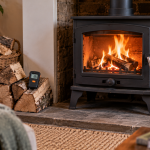
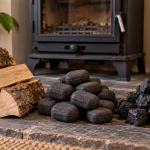
Not every chimney-related fire risk is hidden inside the flue. One we occasionally encounter is logs or other combustible materials being stored immediately beside a stove.
It can look attractive to stack logs around a wood burner, but timber touching or sitting very close to a hot stove can present a serious fire risk. If we saw wood stored against or dangerously close to a stove, we’d recommend moving it before using the appliance again.
What Can a Chimney Sweep Identify?
If you’re concerned about your chimney but don’t know what’s wrong, a chimney sweep is usually the best place to start.
During sweeping we can identify or flag a number of issues, including:
- unusual debris coming down the chimney;
- bird nesting material or other blockages;
- excessive soot, tar or creosote deposits;
- visible or accessible problems with a liner or flue;
- evidence of damp;
- poor draught or smoke-related problems; and
- obvious issues with the chimney pot or terminal where these can be seen from ground level.
A chimney sweep isn’t a structural survey or roof inspection. We can only comment on what we’re able to see and observe within the scope of the appointment. But in many cases, a sweep gives us enough information to answer your question without the need for a separate CCTV survey.
Do You Need a CCTV Chimney Survey?
Usually not, unless there is already a specific reason for carrying one out.
If you think you may need a CCTV survey because something doesn’t seem right with your chimney, we’ll normally recommend starting with a sweep. Many problems can be identified during sweeping. If the sweep shows that further investigation inside the flue is needed, we’ll explain why and a CCTV survey can then be booked for a second visit.
There are situations where we already know CCTV is appropriate. After a chimney fire or for a pre-installation check, we normally book the sweep and CCTV survey together for the same appointment.
Our CCTV Chimney Survey guide explains when a camera survey is useful and what it can show.
When Should You Stop Using Your Chimney?
We would recommend not using the chimney or appliance until the issue has been resolved or appropriately investigated if:
- smoke is unexpectedly entering the room and the cause isn’t known;
- the chimney stack is visibly leaning or bending;
- the pointing has deteriorated badly with significant gaps — the chimney should be swept and smoke tested before use;
- a terminal is obstructing the flue;
- there is reason to suspect a significant blockage or bird nest; or
- wood or another combustible material is touching or dangerously close to a stove.
If you’re unsure, don’t light the fire simply to see what happens.
Concerned About Your Chimney?
If you’ve noticed something unusual, tell us what you’ve seen when you contact us. We can advise whether a chimney sweep is the sensible place to start or whether there is already a reason to book additional investigation at the same appointment.
Request Appointment AvailabilityFrequently Asked Questions
Do I need a CCTV survey if I think something is wrong with my chimney?
Usually not. If there isn’t a specific reason for CCTV, we’ll normally recommend starting with a chimney sweep. If there is already a clear reason for CCTV, such as after a chimney fire or for a pre-installation check, we can book the sweep and CCTV survey together for the same appointment.
Can a chimney sweep tell if my chimney is damaged?
A sweep can identify or flag many problems, but it isn’t a complete structural inspection. We can comment on what we can see or observe during the appointment, including anything visible at the chimney pot or terminal from ground level. Where something needs further investigation or remedial building work, we’ll explain the appropriate next step.
What should I do if my chimney stack is leaning?
Treat a visibly leaning or bending chimney stack as urgent. Because of the potential risk of collapse, it should be assessed by an appropriate professional rather than waiting for your next routine sweep.