Carbon monoxide is particularly dangerous because you cannot see it or smell it. Any appliance or fire that burns fuel can produce carbon monoxide, including wood-burning stoves and open fires.
A properly installed and maintained appliance, a clear flue, suitable ventilation and a working carbon monoxide alarm all play a part in keeping your home safe.
In This Guide
- What is carbon monoxide?
- Can stoves and open fires produce carbon monoxide?
- How can a chimney contribute to carbon monoxide problems?
- What are the symptoms of carbon monoxide poisoning?
- What should you do if you suspect carbon monoxide?
- Do you need a carbon monoxide alarm with a stove or open fire?
- Where should a carbon monoxide alarm be positioned?
- How can you reduce the risk?
What Is Carbon Monoxide?
Carbon monoxide (CO) is a poisonous gas produced when fuels such as wood, coal, gas and oil burn. It is colourless and odourless, which means you cannot rely on your senses to detect it.
Carbon monoxide can become dangerous when a fuel-burning appliance is faulty, poorly maintained or incorrectly installed, or when combustion gases are not being safely carried away.
Can Stoves and Open Fires Produce Carbon Monoxide?
Yes. Wood-burning and multi-fuel stoves produce combustion gases, including carbon monoxide, while fuel is burning. An open fire can produce carbon monoxide too.
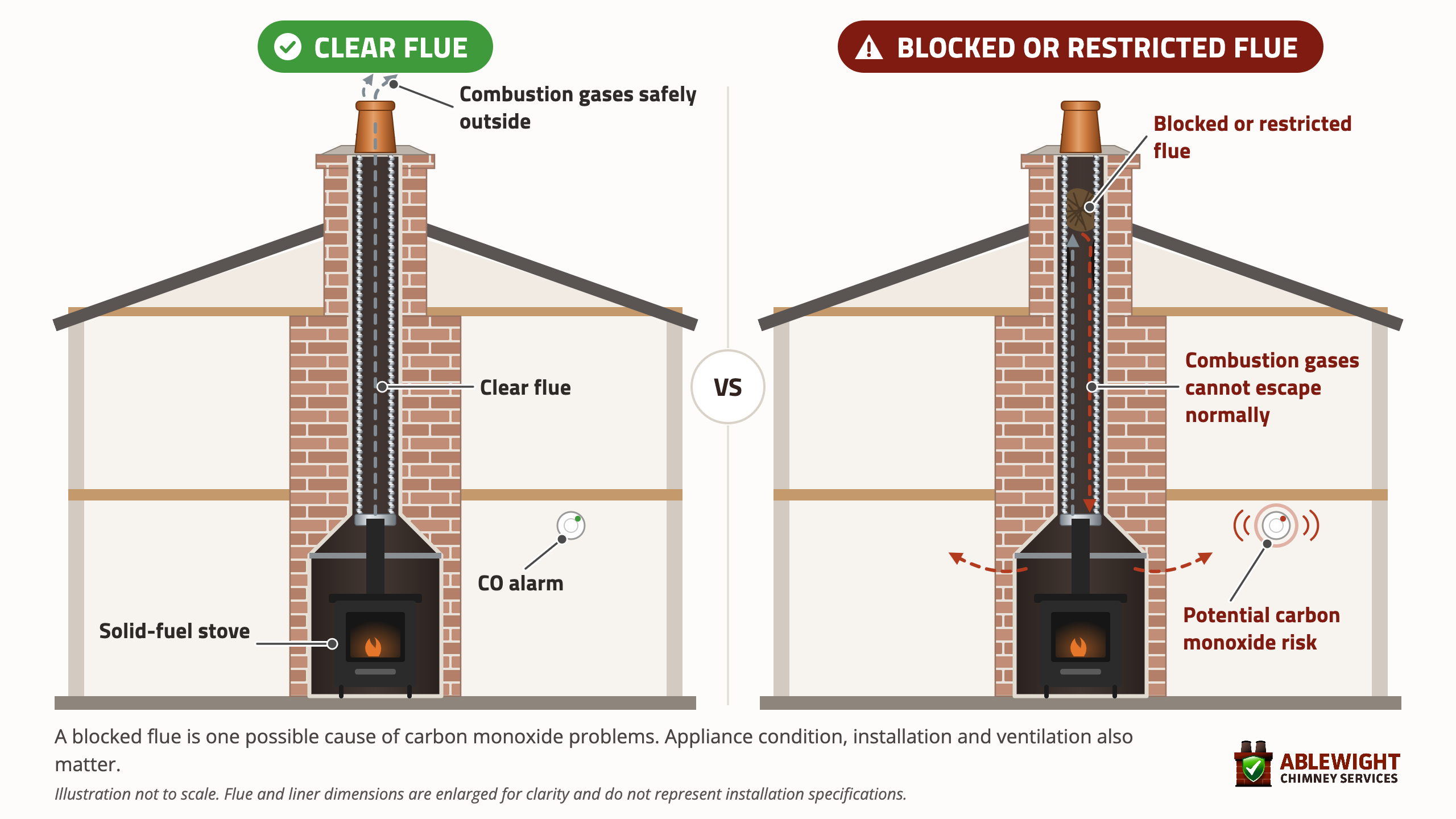
Normally, the chimney or flue carries combustion gases safely outside. Problems can arise if the appliance, ventilation, chimney or flue is not working as it should.
This is why a carbon monoxide alarm is an important safeguard even when a stove or open fire appears to be operating normally.
How Can a Chimney Contribute to Carbon Monoxide Problems?
A chimney needs to provide a clear route for combustion gases to leave the property. Anything that interferes with that process can create a potential safety problem.
Issues can include:
- a blocked or restricted flue;
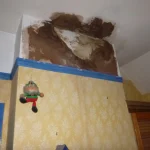
- bird nesting material or other debris inside the chimney;
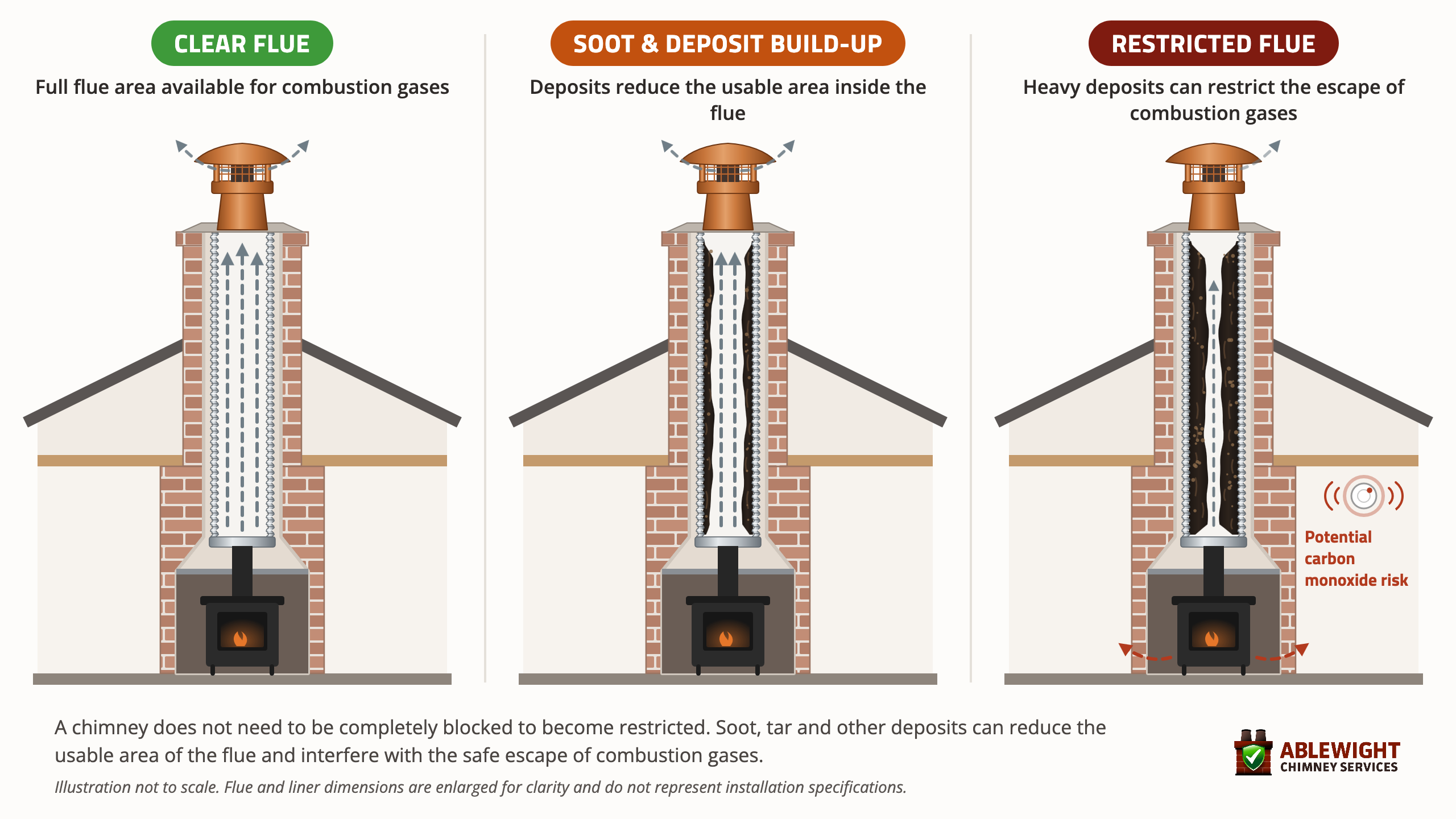
- heavy soot or deposits reducing the usable flue area;
- problems with the chimney or flue that affect how combustion gases are carried away; and
- inadequate ventilation affecting the operation of the appliance or flue.
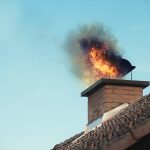
A chimney does not need to contain a solid blockage to become restricted. A bird guard can help prevent birds and nesting material entering the chimney, but it does not prevent soot, tar and other combustion deposits building up on the inside of the flue. As deposits accumulate, they can reduce the usable area available for combustion gases to escape.
Smoke entering the room, an appliance behaving differently from usual or a carbon monoxide alarm sounding should never be ignored.
What Are the Symptoms of Carbon Monoxide Poisoning?
According to the NHS, symptoms of carbon monoxide poisoning can include:
- headache;
- dizziness;
- feeling or being sick;
- weakness;
- tiredness or confusion;
- chest or muscle pain;
- shortness of breath; and
- loss of vision.
Symptoms can come and go, and may become worse while you are inside an affected building and improve when you go outside.
If You Suspect Carbon Monoxide
If you think you may have carbon monoxide poisoning, the NHS advises stopping the suspected appliance if you can, going outside and getting medical advice as soon as possible. Do not return to the affected building until you have received advice.
If you have symptoms, contact NHS 111. Call 999 or go to A&E for serious symptoms such as difficulty breathing, sudden confusion, loss of consciousness, weakness, or chest or muscle pain.
If a carbon monoxide alarm sounds, treat it seriously and follow the alarm manufacturer’s emergency instructions.
Do You Need a Carbon Monoxide Alarm With a Stove or Open Fire?
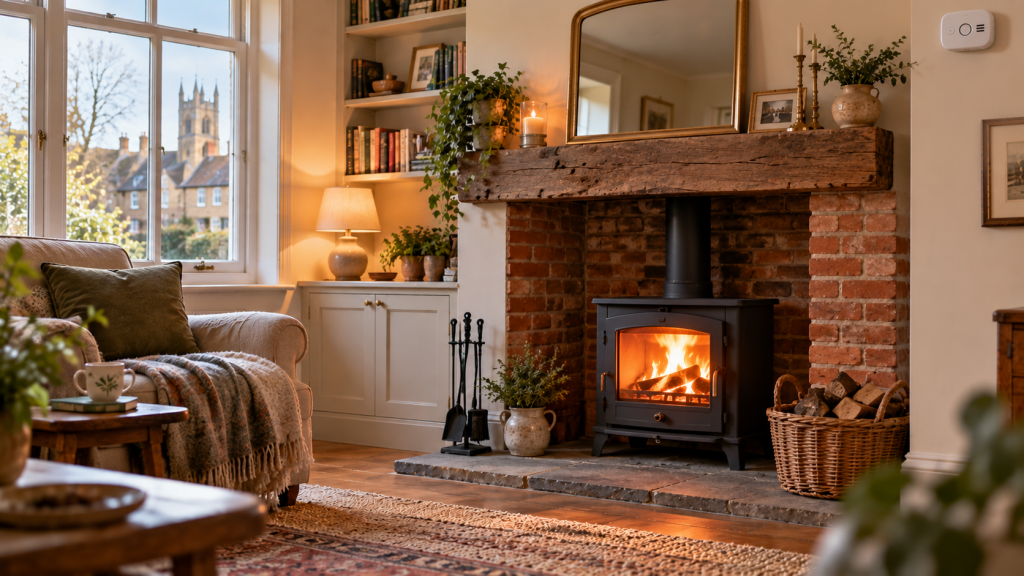
A carbon monoxide alarm is an important safety measure wherever a stove or open fire is in use.
In England, Approved Document J says that when a new or replacement fixed solid-fuel appliance is installed in a dwelling, a carbon monoxide alarm should be provided in the same room as the appliance. This applies when a qualifying new or replacement appliance is installed; it is not a general requirement for every existing open fireplace in an owner-occupied home.
For rented homes in England, separate rules apply. Landlords must ensure a carbon monoxide alarm is provided in any room used as living accommodation that contains a fixed combustion appliance, other than a gas cooker.
Even where an existing open fire is not subject to those installation requirements, a carbon monoxide alarm is an important additional safeguard because open fires can produce carbon monoxide.
An alarm does not replace correct installation, appropriate appliance servicing, suitable ventilation or keeping the chimney and flue clean and well maintained.
Where Should a Carbon Monoxide Alarm Be Positioned?
Always follow the instructions supplied with your particular alarm.
For a new or replacement fixed solid-fuel appliance in England, Approved Document J gives guidance that the alarm should be in the same room as the appliance and between 1 and 3 metres horizontally from it. It gives further requirements depending on whether the alarm is fitted to a wall or ceiling.
Because alarm designs and installation circumstances vary, use the manufacturer’s positioning instructions rather than simply choosing a convenient location.
How Can You Reduce the Risk of Carbon Monoxide From a Fireplace or Stove?
Carbon monoxide safety is not about one single precaution. Several things need to work together:
- use a correctly installed appliance;
- have the appliance serviced as appropriate;
- keep required ventilation clear;
- burn fuel that is suitable for the appliance;
- keep the chimney or flue clean and well maintained;
- do not ignore changes in how the fire or stove behaves; and
- have a suitable, working carbon monoxide alarm and test it in accordance with the manufacturer’s instructions.
How Does Chimney Sweeping Help Reduce Carbon Monoxide Risk?
Regular sweeping removes soot and other sweepable deposits from the flue. During the sweep, we may also identify visible signs of a problem that needs further investigation. Keeping the flue clear helps combustion gases travel through the chimney as intended.
However, a chimney sweep is not a substitute for having the appliance correctly installed or serviced, and sweeping alone does not certify the entire heating installation as carbon-monoxide safe.
If we identify something during a sweep that gives us cause for concern, we will explain what we have found and what further action may be required.
Keep Your Chimney Clear and Properly Maintained
Regular sweeping removes soot and other sweepable deposits, helping to keep the flue clear so combustion gases can travel through the chimney as intended.
Frequently Asked Questions
Can you get carbon monoxide poisoning from a wood-burning stove?
Yes. Any appliance that burns fuel can produce carbon monoxide. A correctly installed and maintained stove, suitable ventilation, a clean and well-maintained flue and a working carbon monoxide alarm all form part of reducing the risk.
Can a blocked chimney cause carbon monoxide problems?
A blocked or restricted chimney can prevent combustion gases from being carried away properly, so it is a potential safety concern. Do not use a chimney you believe may be blocked until the problem has been investigated.
Does a carbon monoxide alarm replace chimney sweeping?
No. A carbon monoxide alarm provides a warning if CO is detected; it does not keep the chimney clear or maintain the appliance. Both alarm protection and appropriate maintenance are important.
How often should I test my carbon monoxide alarm?
Follow the testing instructions supplied by the alarm manufacturer. Also check the alarm’s end-of-life information and replace the unit when the manufacturer specifies.