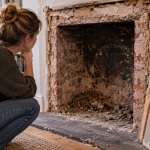
If you’re thinking about having a wood-burning or multi-fuel stove installed, one of the first things to do is have the existing chimney swept — before choosing the stove or committing to the installation work.
The chimney will need to be swept before a new stove or liner is installed anyway. Doing it at the beginning of the process means we can remove existing soot and deposits and let you know about anything relevant we encounter before you start spending money on the installation.
At Ablewight, we don’t install stoves or chimney liners. We can, however, give you general advice about chimneys, stoves and liners, explain anything relevant we find during the sweep and recommend suitable local installers if you need one.
IN THIS GUIDE
- Why sweep before installing a stove?
- Why remove soot and tar before fitting a liner?
- Can we advise before you speak to an installer?
- What order should you arrange the work?
- Do you always need a chimney liner?
- What if we find a problem during the sweep?
- What happens after installation?
- Frequently asked questions
Why should you have your chimney swept before installing a stove?
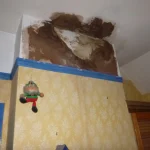
A chimney that has previously served an open fire, stove or other appliance can contain soot, debris, tar or other deposits.
These need to be removed before installation work takes place, so having the chimney swept isn’t an additional job created by having it done first — it’s work that would need doing anyway.
The advantage of arranging it before you commit to an installation is that you have more information about the chimney at the beginning of the process. We might encounter unusually heavy deposits, an obstruction or something else that would be sensible to investigate before an installer begins work. Equally, we may sweep the chimney without encountering anything unusual.
Either way, you’ve started with a clean chimney and a clearer picture before deciding what happens next.
Why is it important to remove soot and tar before a liner goes in?
Having the chimney swept before a liner is installed isn’t simply about giving the installer a clean flue to work with.
Once a liner has been installed, you can no longer sweep the space between the liner and the original chimney without removing the liner. Anything left behind can therefore remain there for many years.
One concern is soot. Soot deposits can be acidic and, particularly where moisture is present, can contribute to deterioration of mortar and other materials within the chimney. If soot is left behind and then sealed away behind a new liner, you may have no practical way of removing it later.
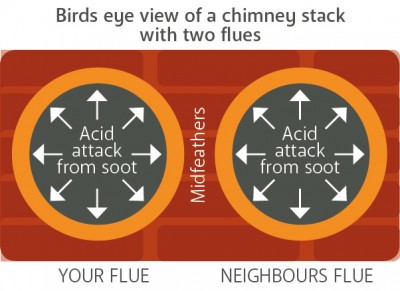
Tar deposits present a different concern. Tar is combustible. If significant tar is left in the original chimney and is subsequently exposed to heat from the new flue liner, it can create a potential chimney-fire risk.
That’s why we recommend sweeping the existing chimney thoroughly before the new liner is installed, rather than simply putting a liner into an unswept chimney.
If we encounter deposits during the sweep that normal sweeping cannot remove — such as hard, glazed tar — we can explain the options before the liner goes in. You can also read about our tar and creosote removal service.
Can we advise you before you speak to an installer?
Yes. We can give you general advice about chimneys, stoves and liners and explain anything relevant that we encounter while sweeping your chimney.
There are limits to what we can confirm before an installation survey, however. We don’t install stoves or chimney liners, so the installer you choose will ultimately need to survey the property, discuss the appliance with you and confirm what can be done and the best options for the installation.
If you don’t already have an installer, we can recommend suitable local companies that carry out this work.
What order should you arrange the work?
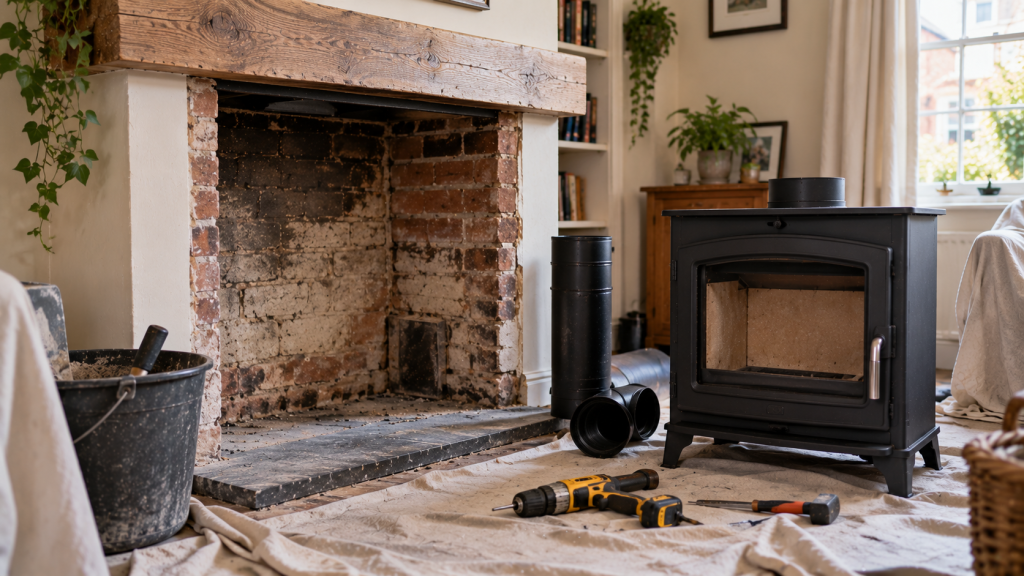
If you’re considering having a stove installed, the chimney sweep is a good place to start. You don’t need to have chosen your stove first.
- Have the existing chimney swept. Tell us you’re considering having a stove or liner installed so we know why you’re having it swept.
- Deal with anything that needs attention. Often there may be nothing unusual. If we encounter a blockage, significant tar deposits or something else that needs further investigation or treatment, you can deal with it while the original chimney is still accessible.
- Speak to your installer. They can survey the property, discuss suitable appliances and confirm what can be installed and whether a liner or other work is required.
- Choose your stove and agree the installation. You can then make the decision with a clearer understanding of the existing chimney and the proposed installation.
- Keep your paperwork. Once everything is installed, retain your installation documents, sweeping certificates and stove-servicing records and check the maintenance requirements of both the appliance and liner.
Planning a stove or liner installation?
Start with the chimney sweep. Tell us you’re planning an installation when you contact us and we’ll send you our appointment availability.
Do you always need a chimney liner when installing a stove?
No, not always — but in the majority of stove installations, a chimney liner will be required.
Exactly what is needed depends on the existing chimney, the appliance and the proposed installation.
We can give you general advice about stoves, chimneys and liners based on our experience, but ultimately your installer will need to survey the property and confirm what can be installed and the best options for your particular chimney.
If you’d like to understand the subject before speaking to an installer, read our guides to what a chimney liner is and whether you may need a chimney liner.
What if we find a problem during the sweep?
Finding something during the sweep doesn’t automatically mean you can’t have a stove installed. What happens next depends on what we find.
A straightforward soot build-up may simply be removed during sweeping, whereas an obstruction, heavy tar deposit or something else unusual may need a different next step.
We’ll explain what we’ve encountered and, where appropriate, whether another service or further investigation should be considered. In some circumstances that may include a separate CCTV chimney survey, but a CCTV survey is not automatically required before every stove installation.
A standard chimney sweep is not a structural survey or an installation specification. Your installer remains responsible for surveying the property and confirming the requirements of the proposed installation.
What happens after the stove and liner are installed?
Installation isn’t the end of the chimney’s maintenance.
The chimney will still need regular sweeping and the stove will need regular servicing. You should also check the specific maintenance requirements supplied with both the stove and any chimney liner, particularly where those requirements form part of the manufacturer’s warranty conditions.
Keep your Guild sweeping certificates, stove-servicing records and installation paperwork together so you have a dated record of the maintenance carried out.
It’s worth checking these requirements when your stove and liner are installed, as they can vary between manufacturers and products.
Arrange your pre-installation chimney sweep
Planning to have a stove or chimney liner installed in Cambridge or the surrounding area? You don’t need to have chosen your stove first. Tell us you’re considering a new installation and want the existing chimney swept beforehand.
Frequently asked questions
Do I need to have my chimney swept before installing a wood-burning stove?
Yes. The existing chimney should be swept before installation work begins so that soot and sweepable deposits are removed. Doing this first also means anything relevant we encounter can be considered while the original chimney is still accessible and before you commit to the installation.
Should I have the chimney swept before choosing a stove?
You can, and it’s a sensible place to start. You don’t need to have chosen the appliance or installer before arranging the sweep. Once the existing flue has been cleaned, you can speak to an installer about suitable appliances and the requirements of the installation.
Does a chimney sweep tell me whether I need a chimney liner?
Not definitively. We can give general advice and explain relevant findings from the sweep, but your installer will need to survey the property and confirm whether a liner is required and the best option for the proposed installation. In the majority of stove installations a liner will be required, but not in every case.
Why should soot be removed before a chimney liner is fitted?
Once a liner is installed, the original chimney behind it is no longer accessible for normal sweeping without removing the liner. Leaving soot behind can therefore leave acidic deposits in contact with the original chimney for many years, particularly where moisture is present.
What happens if tar is left in the chimney before a liner is installed?
Tar is combustible. Significant tar deposits left in the original chimney can present a potential fire risk when exposed to heat from the new liner. If we find hard or glazed deposits that normal sweeping cannot remove, we’ll explain the options before the liner is installed.
Do I need a CCTV chimney survey before installing a stove?
Not routinely. A CCTV survey is a separate service and isn’t automatically required before every stove installation. It may be useful if there is a particular reason to investigate the accessible flue more closely.
Can we recommend a stove installer?
Yes. We don’t install stoves or chimney liners ourselves, but we can recommend suitable local companies that carry out this work.
Do chimney liners need sweeping after they’re installed?
Yes. A chimney fitted with a liner still needs regular sweeping, and the stove will need regular servicing. Check the maintenance and warranty requirements for your particular appliance and liner and keep your sweeping certificates and servicing records.