
Creosote and tar are combustible deposits that can accumulate inside chimneys connected to wood-burning and solid-fuel appliances. Light, loose deposits may be removed during routine chimney sweeping, but hardened, glazed or firmly bonded material can require specialist treatment.
If you suspect heavy deposits, experience smoke entering the room or have had a carbon-monoxide alarm activate, stop using the appliance until the chimney and appliance arrangement have been professionally assessed.
IN THIS GUIDE
- What creosote and chimney tar are
- How the deposits form
- Signs of creosote buildup
- What creosote looks and smells like
- Why creosote can be dangerous
- Whether ordinary chimney sweeping will remove it
- When specialist treatment may be required
- How Cre-Away treatment works
- How to reduce future buildup
- What to do if you suspect a problem
- Frequently asked questions
What are creosote and chimney tar?
Creosote and tar are deposits produced when gases and particles within smoke cool and condense inside a chimney or flue.
The material can vary considerably. Some deposits are dry, loose and powdery, while others are sticky, tar-like or hard and shiny. The type and severity of the deposit depend on the fuel, appliance, burning conditions, chimney arrangement and level of maintenance.
Chimney creosote should not be confused with the creosote historically used as a wood preservative. Although they share a name, this guide concerns deposits produced by combustion inside chimneys and flues.
How does creosote form in a chimney?
When wood or solid fuel burns, it releases smoke containing gases, vapours and small particles. If combustion is incomplete or the smoke cools too quickly, some of these substances condense on the internal surface of the chimney.
Repeated use can cause further layers to accumulate. Over time, deposits may become thicker, harder and more difficult to remove.
Factors that can contribute to creosote and tar formation include:
- Burning wood with a moisture content above 20%
- Allowing a stove or fire to burn slowly at a low temperature for extended periods
- Restricting the appliance’s air supply excessively
- Insufficient combustion air within the room
- An appliance that is not being operated correctly
- A flue that is too large, too cold or unsuitable for the appliance
- Poor chimney draw
- Heavy or frequent appliance use
- Infrequent chimney sweeping
- An appliance, liner or chimney arrangement that is not performing correctly
The presence of deposits does not identify the cause by itself. The fuel, appliance, ventilation and chimney arrangement may all need to be considered.
What are the signs of creosote buildup?
Possible signs of creosote buildup include:
- Black, brown or tar-like deposits inside the accessible chimney
- Hard, shiny or glazed material on the flue surface
- Sticky deposits around the appliance or fireplace
- A strong tar-like or smoky smell
- Dark flakes or deposits falling into the fireplace
- Reduced chimney draw
- A fire that is difficult to establish or does not burn properly
- Excessive smoke when the appliance is used
- Smoke entering the room
- Deposits that remain after an ordinary chimney sweep
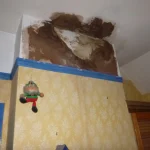
- Tar staining or seepage around parts of the chimney
Some of these symptoms can have other causes. Poor appliance performance, smoke entering the room or unusual smells do not automatically prove that creosote is responsible.
A professional assessment is needed to establish what is present within the accessible chimney and whether other faults or obstructions may be contributing.

What does creosote look like?
Creosote does not always have one appearance. It may be:
- Dry and powdery
- Flaky or brittle
- Brown or black
- Sticky and tar-like
- Thick and lumpy
- Hard, smooth and shiny
- Firmly bonded to the chimney or liner
Loose soot and brittle deposits may respond to routine sweeping. Hard, glazed or firmly bonded material may not be removable with ordinary brushes alone.
The visible material at the fireplace or appliance connection may represent only part of the deposit. Additional buildup may be present higher within the chimney.
What does creosote smell like?
Creosote can produce a strong smoky, acrid or tar-like smell. The odour may become more noticeable during warmer or humid weather, even when the appliance is not being used.
However, an unusual chimney smell can also be associated with soot, moisture, bird nesting material, poor ventilation or other contamination. Smell alone cannot establish the cause or condition of the chimney. Our guide to why chimneys smell explains the other common causes.
Arrange an assessment if an odour is persistent, particularly if it is accompanied by staining, falling material, poor chimney draw or smoke entering the property.
Why is creosote buildup dangerous?
Creosote is combustible
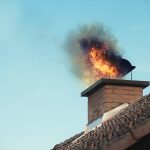
Tar and creosote deposits can burn. If a substantial deposit ignites, it can cause a chimney fire and expose the chimney, liner and surrounding building materials to intense heat.
A chimney fire may damage:
- Clay, concrete or metal liners
- Mortar joints and internal chimney surfaces
- Chimney pots and terminals
- Appliance connections
- Surrounding timbers or other combustible materials
A chimney must be appropriately assessed after a suspected chimney fire before it is used again.
Creosote can restrict the flue
Heavy deposits can reduce the space available for smoke and combustion gases to escape. This may affect chimney draw and appliance performance.
A restricted or obstructed flue can contribute to smoke or combustion gases entering the property.
Buildup can indicate another problem
Rapid or repeated creosote formation can indicate unsuitable fuel, poor burning practice, insufficient air, a cold flue, an appliance fault or an unsuitable chimney arrangement.
Removing the deposit addresses the immediate material but does not necessarily correct the underlying cause.
Do not use a chimney that may be unsafe
If smoke is entering the room, a carbon-monoxide alarm activates, a chimney fire is suspected or you have been advised not to use the appliance, stop using it.
Move into fresh air and obtain appropriate emergency or medical assistance where necessary. Call 999 if there is a fire or an immediate danger.
Do not light another fire to test the chimney or attempt to burn the deposits away.
Are creosote fumes harmful?
Smoke and combustion gases should not enter an occupied room. They can contain harmful pollutants and carbon monoxide, regardless of whether creosote deposits are present.
A strong tar-like smell does not necessarily mean that dangerous fumes are entering the property, but persistent odours should not be ignored. They may indicate deposits, moisture, leakage, poor ventilation or another chimney problem.
If anyone experiences headache, dizziness, nausea, weakness or confusion around a burning appliance, move into fresh air and obtain appropriate medical assistance. Respond immediately whenever a carbon-monoxide alarm activates.
Can creosote cause a chimney fire?
Yes. Creosote and tar are combustible, and accumulated deposits can ignite inside a chimney.
Possible signs of a chimney fire can include:
- A loud roaring or rumbling sound
- Unusually intense heat
- Flames or sparks emerging from the chimney
- A strong burning smell
- Smoke entering the property
- Material falling into the fireplace or appliance
- Damage or discolouration around the chimney or appliance
If you suspect a chimney fire, evacuate the property and call 999. Do not use the chimney again until it has been appropriately assessed. See our chimney fire warning signs guide for the signs to look for and what to do.
Will a normal chimney sweep remove creosote?
It depends on the type and condition of the deposit.
A professional chimney sweep can remove ordinary soot and many loose, dry or brittle deposits. However, hard, glazed, sticky or firmly bonded tar and creosote may not respond to ordinary sweeping.
Attempting to forcefully remove hardened deposits with unsuitable equipment could damage the liner, appliance or chimney components. If you are concerned about the liner itself, see our guide to chimney liner problems.
Where specialist treatment is required, the chimney may need to be swept, treated and then swept again after the treatment has reacted with the deposits.
When is specialist tar and creosote removal required?
Specialist treatment may be recommended when:
- Deposits remain after ordinary chimney sweeping
- Material is hard, glazed or firmly bonded
- Thick deposits are restricting part of the flue
- Tar-like material is visible within the accessible chimney
- A sweep identifies material that cannot be safely removed with ordinary brushes
- The condition or extent of the deposit requires a different removal method
The appropriate treatment depends on what is found. Not every dark mark or layer of soot requires specialist tar removal.
How does Cre-Away treatment work?
Cre-Away is a specialist powder applied to hardened tar and creosote deposits. Heat from subsequent fires causes the treatment to react with the material, helping to alter and loosen it so it can be removed more effectively during a return sweep.
Our specialist service normally involves two appointments:
- An initial chimney sweep followed by the Cre-Away application.
- A second sweep to remove the treated tar, creosote and loosened debris.
There must be at least one week between the two visits. During this period, the customer must light at least five sufficiently hot fires, each lasting at least four hours. The heat is essential for the treatment to react with the deposits.
Most chimneys require only one application, although additional treatment can occasionally be necessary.
For the full process and service inclusions, read about our professional tar and creosote removal service.
Need specialist tar and creosote removal?
Complete our contact form and tell us what has been found or observed, the appliance type and your postcode. We will respond with suitable appointment availability.
Can I remove creosote myself?
We do not recommend attempting to remove hardened or glazed creosote yourself.
Unsuitable chemicals, improvised tools or aggressive cleaning methods can:
- Damage a chimney liner or appliance
- Compact or relocate the deposits
- Release soot and debris into the room
- Leave hazardous material within the chimney
- Make it difficult to establish whether the flue is safe to use
- Fail to identify the cause of the buildup
Never attempt to remove creosote by deliberately setting fire to it. Burning deposits inside a chimney can cause a dangerous chimney fire.
How can creosote buildup be reduced?
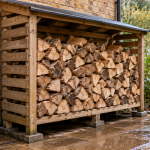
Burn suitably dry wood
Wood sold in smaller quantities in England should comply with the Ready to Burn requirements and have a moisture content of no more than 20%. See what seasoned wood means and how to check moisture content.
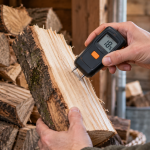
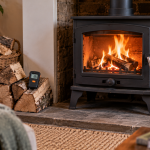
Store logs somewhere dry and ventilated. A moisture meter can help check the centre of a freshly split log before it is burned. Our firewood moisture meter guide explains how to take an accurate reading.
Avoid prolonged low-temperature burning
Allowing a stove or fire to smoulder for extended periods can increase smoke and encourage deposits to form.
Operate the appliance according to its manufacturer’s instructions and avoid closing the air controls excessively.
Maintain adequate combustion air
An appliance needs an appropriate supply of air to support combustion. Do not block permanent ventilation provided for the appliance.
Arrange professional advice if the fire performs differently when doors, windows or extractor fans are used.
Have the chimney swept at an appropriate frequency
The required frequency depends on the fuel, appliance, amount of use and the deposits produced. See how often you should sweep your chimney for the fuel-specific guidance.
Regular sweeping removes soot and loose material while also providing an opportunity to identify deposits that may require further attention.
Investigate repeated buildup
If heavy tar or creosote returns unusually quickly, simply removing it repeatedly may not solve the underlying problem.
The fuel, burning practice, appliance, ventilation, flue size, chimney temperature and overall arrangement may need to be considered.
What should I do if I suspect creosote buildup?
- Stop using the appliance if smoke is entering the room, an alarm activates or the chimney may be unsafe.
- Do not attempt to burn the deposits away.
- Note any smells, staining, falling material or changes in appliance performance.
- Arrange a professional chimney sweep and assessment.
- Follow any advice concerning fuel, appliance use or further investigation.
- Book specialist treatment if hardened deposits cannot be removed during ordinary sweeping.
- Do not use the chimney again if a warning notice has been issued.
Frequently asked questions
What are the most common signs of creosote buildup in a chimney?
Common signs of creosote buildup include black or brown deposits, hard or shiny material inside the accessible flue, a strong tar-like smell, flakes falling into the fireplace, reduced chimney draw and deposits that remain after an ordinary sweep. These symptoms can have other causes, so the chimney should be professionally assessed.
What causes creosote to build up in a chimney?
Creosote forms when gases and particles in smoke cool and condense inside a chimney. Burning damp wood, prolonged low-temperature burning, restricted combustion air, a cold or unsuitable flue and infrequent sweeping can all contribute to excessive buildup.
Is creosote flammable?
Yes. Creosote and chimney tar are combustible. If accumulated deposits ignite, they can cause a chimney fire and expose the chimney, liner and surrounding materials to intense heat.
What does glazed creosote look like?
Glazed creosote usually appears as hard, dark and shiny material firmly bonded to the internal surface of the chimney or liner. Unlike loose soot, it may not respond to ordinary chimney sweeping and can require specialist treatment.
Can an ordinary chimney sweep remove all creosote?
No. Ordinary sweeping can remove soot and many loose or brittle deposits, but hardened, sticky, glazed or firmly bonded creosote may require specialist treatment followed by a second sweep.
Is a tar-like smell from a chimney a sign of creosote?
A persistent smoky or tar-like smell can indicate creosote or tar deposits, particularly during warm or humid weather. However, chimney smells can also be caused by soot, moisture, nesting material or poor ventilation, so smell alone does not confirm the cause.
Can I burn creosote out of my chimney?
No. You should never deliberately attempt to burn creosote out of a chimney. Igniting the deposits can cause a dangerous chimney fire and damage the chimney, liner or surrounding property.
Does Cre-Away replace chimney sweeping?
No. Cre-Away treatment does not replace chimney sweeping. Our service includes an initial sweep before the treatment is applied and a second sweep after the treatment has reacted with the deposits.
How long does Cre-Away treatment take?
Our Cre-Away service requires two appointments with at least one week between them. During that period, at least five sufficiently hot fires lasting a minimum of four hours each must be burned so the treatment can react with the deposits.
What should I do after a suspected chimney fire?
Stop using the appliance and arrange an appropriate professional assessment before the chimney is used again. A chimney fire can damage liners, masonry, appliance connections and surrounding materials even when the damage is not immediately visible.