
Stove & Chimney Liner Warranties: Why Sweeping and Servicing Matter
If you've recently had a wood-burning or multi-fuel stove installed, it can be tempting to think you won't need to worry about sweeping or servicing for a few years. After…
If you've recently had a wood-burning or multi-fuel stove installed, it can be tempting to think you won't need to worry about sweeping or servicing for a few years. After…
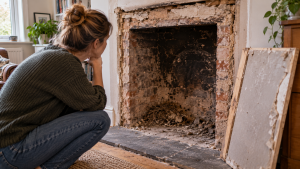
Opening up an old blocked fireplace? Learn what to check, why the chimney should be swept before use and when further investigation may be needed.
Seasoned wood is firewood that has been allowed to dry so that much of its natural moisture has evaporated. For burning at home, the important figure is the moisture content…
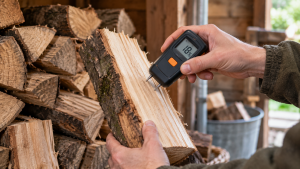
For most households burning firewood, a simple digital pin-type moisture meter is the best choice. Look for a clear percentage display, a range that comfortably covers the 20% moisture level…
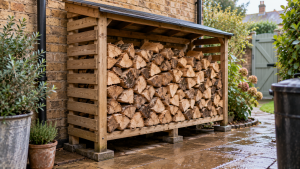
The best way to store firewood is off the ground, protected from rain and with plenty of airflow around the logs. Simply leaving wood for a year or two does…
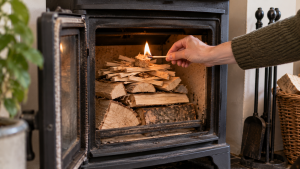
The top-down method lights a wood fire from the top of the fuel stack rather than underneath it. Larger logs sit at the bottom, with progressively smaller pieces of wood,…

If water or rain is coming down your chimney, it is worth investigating rather than assuming it is normal. A small amount of rain can enter an open chimney pot,…
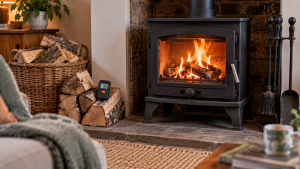
Chimney fires happen when combustible deposits inside the flue ignite. Tar and creosote are particularly important because they can build up when fuel burns inefficiently or smoke cools and condenses…
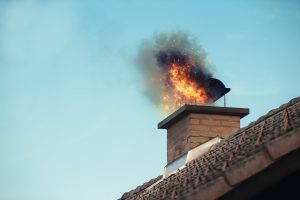
Learn the warning signs of poor burning, creosote buildup and a possible chimney fire, plus what to do if you suspect a fire in your chimney.
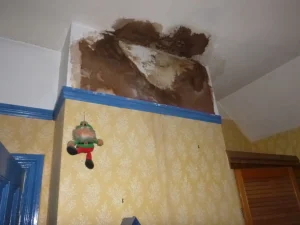
Brown or yellow stains appearing on a wall around a chimney breast are often a sign that moisture is interacting with deposits within the chimney or chimney structure. These marks…