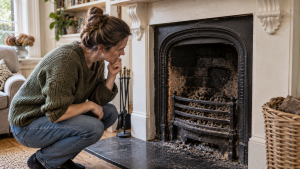
How to Tell If Your Chimney Needs Sweeping
If you don't know when your chimney was last swept, we'd recommend having it swept before you use it. The same applies if you've moved into a property with a…
If you don't know when your chimney was last swept, we'd recommend having it swept before you use it. The same applies if you've moved into a property with a…
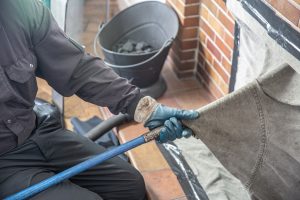
A professional chimney sweep protects the area around your fireplace or stove, accesses and contains the flue opening, removes soot and deposits with suitable brushes or rotary equipment, clears the…
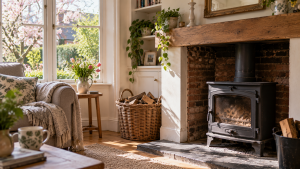
The best time to have your chimney swept is at the end of the burning season, typically around April or May. There is a practical reason for this that goes…
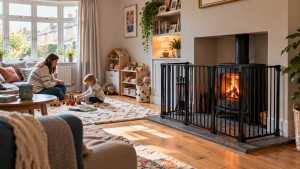
Practical advice for making open fires and stoves safer around babies and young children, including fireguards, hot surfaces, supervision and fireplace safety.
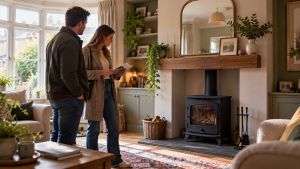
Buying a house with a chimney, fireplace or stove? Find out what to check, what paperwork to ask for and when further chimney investigation may be useful.
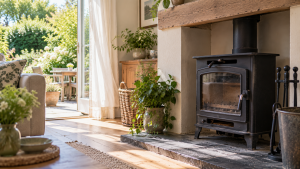
When you stop using your fire for the warmer months, you do not need a complicated summer shutdown routine. The important things are to leave the appliance or fireplace clean,…
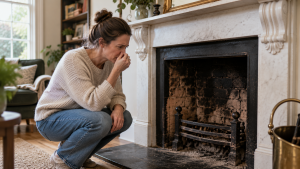
If an unpleasant smell is coming from your chimney or fireplace, the most likely explanation is also the simplest: the chimney is overdue a sweep. Soot and other deposits build…
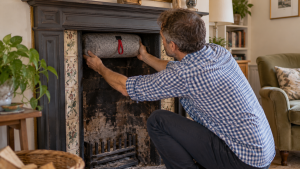
For most unused open fireplaces, a purpose-made removable draught excluder such as a chimney balloon or Chimney Sheep is the simplest way to temporarily block the chimney and reduce draughts.…

Common signs of a chimney problem include smoke entering the room, unusual smells, damp or staining, debris falling into the fireplace, bird nesting material, poor draught and visible damage to…
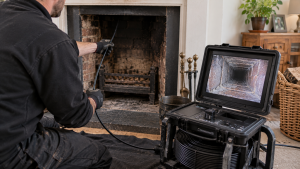
Find out when a CCTV chimney survey is useful, why a separate sweep is usually needed, what the camera can show and what footage you receive.