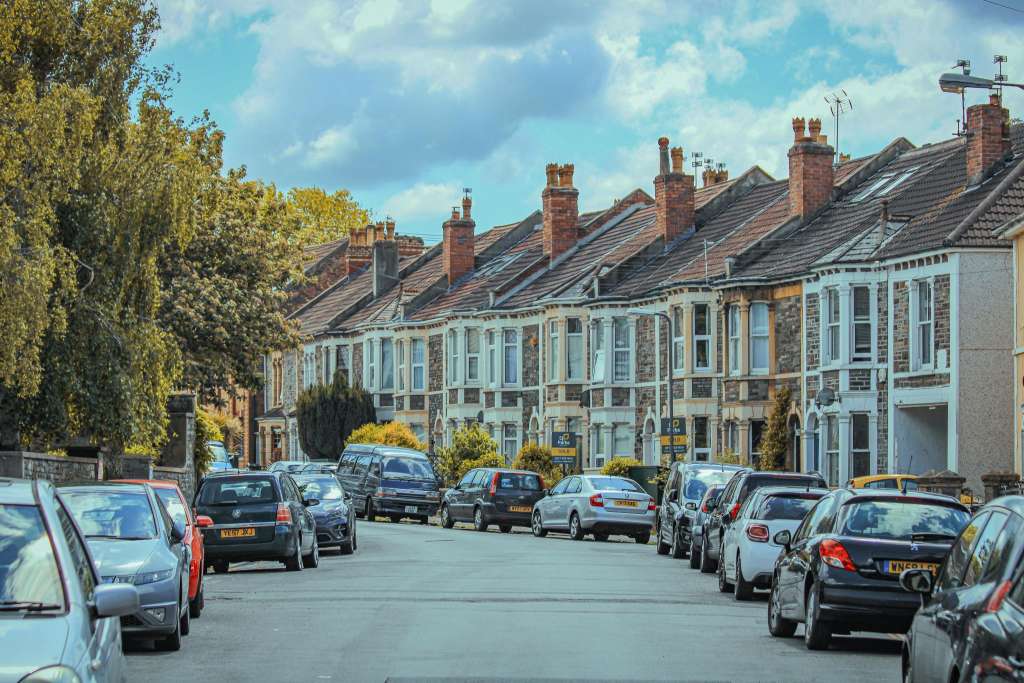
Chimney blocking can cut heat loss and stop draughts, but done wrong it traps moisture or removes ventilation your chimney still needs even when unused. Here’s when temporary or permanent blocking makes sense, and what to check before you have it done.
Blocking Chimneys
As trusted chimney specialists serving Cambridge and surrounding areas, we frequently receive enquiries about chimney blocking options. Whether you’re concerned about heat loss in a Victorian terrace or dealing with debris in a period property, understanding the correct approach to chimney blocking is crucial for your home’s safety and efficiency.
Understanding Your Chimney’s Ventilation Role
Before blocking any chimney, it’s worth understanding what role it plays in your home even when unused. According to building regulations, chimneys play a vital role in home ventilation:
- Help remove indoor air pollutants (VOCs)
- Maintain healthy air circulation
- Prevent condensation issues
- Support overall building health
Why Consider Blocking a Chimney?
Common reasons Cambridgeshire homeowners consider blocking their chimneys include:
- Preventing heat loss during winter months
- Addressing debris falls from deteriorating liners
- Managing soot accumulation issues
- Dealing with unwanted draughts
- Preventing bird entry and nest building
- Addressing smoke leakage between floors
According to the National Association of Chimney Sweeps, up to 40% of a home’s heat can be lost through an unused, open chimney.
Temporary Chimney Blocking Solutions
Professional Temporary Methods
Before implementing any blocking solution, HETAS guidelines recommend:
- Professional chimney sweeping to remove existing debris
- CCTV survey to assess chimney condition
- Inspection for underlying issues requiring attention
- Proper ventilation assessment
Common Temporary Solutions
Various temporary blocking methods include:
- Chimney balloons (with regular inspection)
- Removable draft excluders
- Chimney sheep
- Register plates
Important Safety Note: The Guild of Master Chimney Sweeps emphasises that any temporary blocking method must be:
- Easily removable
- Clearly visible
- Properly labeled
- Regularly inspected
Permanent Chimney Blocking Considerations
Considering permanent blocking specifically? See our full step-by-step guide: How to Permanently Block a Chimney.
When Permanent Blocking May Be Necessary
Situations requiring permanent blocking typically include:
- Unused upstairs flues with safety concerns
- Redundant chimneys in converted properties
- Severe structural issues making repair impractical
- Multiple flue systems where some are no longer needed
Professional Assessment Requirements
Before permanent blocking, Ablewight Chimney Services conducts:
- Comprehensive CCTV survey
- Structural integrity assessment
- Ventilation impact analysis
- Moisture management evaluation
Cambridgeshire-Specific Considerations
Local factors affecting chimney blocking decisions include:
- Conservation area requirements in historic Cambridge
- Listed building restrictions
- Local weather patterns and dampness issues
- Common property types in the region
Property-Specific Approaches
Different properties require different considerations:
- Victorian terraces in central Cambridge
- Period properties in Ely
- Historic cottages in Saffron Walden
- Modern homes in Newmarket
- Listed buildings in conservation areas
Professional Chimney Services
Before any blocking work, we recommend:
- Professional chimney sweeping
- Creosote removal if necessary
- CCTV inspection
- Expert assessment of ventilation needs
Frequently Asked Questions About Chimney Blocking
Is it Safe to Block My Chimney?
Safety depends on several factors:
- Current chimney condition
- Type of blocking method
- Property ventilation
- Future use considerations
Professional assessment is essential before proceeding.
What Are the Signs I Need to Block My Chimney?
Common indicators include:
- Excessive heat loss
- Falling debris
- Unwanted draughts
- Bird ingress issues
- Smoke problems between floors
How Do I Maintain a Blocked Chimney?
Regular maintenance should include:
- Annual inspection of blocking method
- Ventilation checks
- Moisture monitoring
- External cap inspection
What About Conservation Areas?
Properties in Cambridge’s historic districts require:
- Conservation officer consultation
- Appropriate methods approval
- Documentation of changes
- Regular monitoring
Can I Reverse Chimney Blocking?
Considerations include:
- Original blocking method used
- Current chimney condition
- Local regulations
- Property type requirements
Expert Help Available
Contact us for professional chimney assessment and advice across Cambridgeshire:
- 01223 627012
- hello@ablewight.co.uk
Service areas include:
- Cambridge
- Ely
- Newmarket
- Royston
- Saffron Walden
- St Ives
- Huntingdon
- St Neots
- Bishop’s Stortford
Why Choose Ablewight?
- HETAS registered professionals
- Guild of Master Chimney Sweeps certified
- Trading Standards Approved
- Extensive local experience
- Comprehensive chimney services
- Expert advice