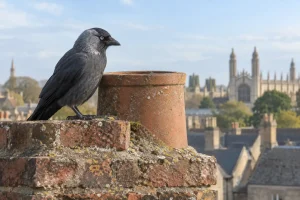
Jackdaws Nesting in Chimneys: UK Season, Signs and Removal
Learn when jackdaws nest in UK chimneys, the warning signs, legal protections and how a jackdaw nest is professionally removed and swept.
Learn when jackdaws nest in UK chimneys, the warning signs, legal protections and how a jackdaw nest is professionally removed and swept.
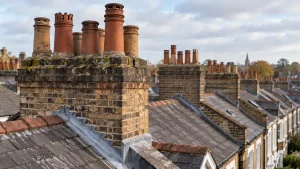
Victorian chimneys were built as masonry flues, typically with an internal parged or rendered surface rather than the separate flexible stainless-steel liner commonly fitted to modern stove installations. Many of…
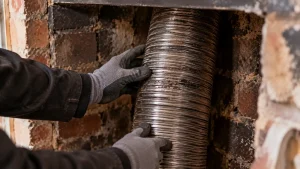
A flexible stainless-steel chimney liner can last 20–30 years when it has been installed correctly, the appliance is used properly and the chimney is swept regularly. But there is no…
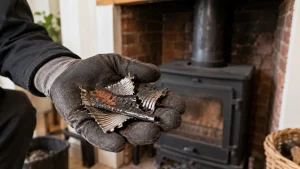
Problems with a chimney flue or liner are not always obvious from inside the room. Some are found during routine sweeping, while others first become apparent because of smoke smells,…
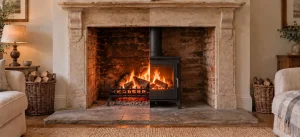
If you're deciding between keeping an open fire and installing a wood-burning stove, the biggest differences are how the fire is controlled, how much useful heat you get from the…
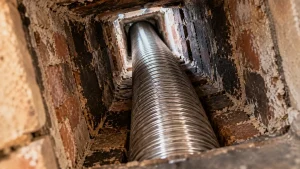
You do not need a chimney liner simply because your chimney is old. Whether a chimney needs relining depends on how it will be used, the appliance being connected, the…
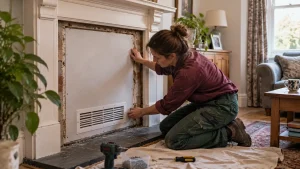
If you have a fireplace and chimney you no longer intend to use, permanently blocking it can seem straightforward. In practice, the way the chimney is closed matters because an…
Carbon monoxide is particularly dangerous because you cannot see it or smell it. Any appliance or fire that burns fuel can produce carbon monoxide, including wood-burning stoves and open fires.…
If you have moved into a property with a wood-burning or multi-fuel stove and cannot find the installation certificate, the first step is to establish whether the installation was notified…
What is a carbon monoxide alarm, where should it go and when do you need one? A practical guide to CO alarms, positioning, testing and replacement.