Everything UK homeowners need to know about chimney breast staining – why it happens, how to prevent it, and what to do if you already have it.
Discovering brown or yellow stains creeping down your wall near the chimney breast is frustrating and concerning. These persistent marks keep returning despite redecorating, often accompanied by musty smells that worsen in winter months.
If you’re dealing with chimney staining in your UK home, you’re facing a common problem in period properties. While these stains can’t be completely eliminated once they appear, understanding why they happen and how to manage them can prevent further damage and help you make the right decisions for your property.
What Are Chimney Breast Stains?
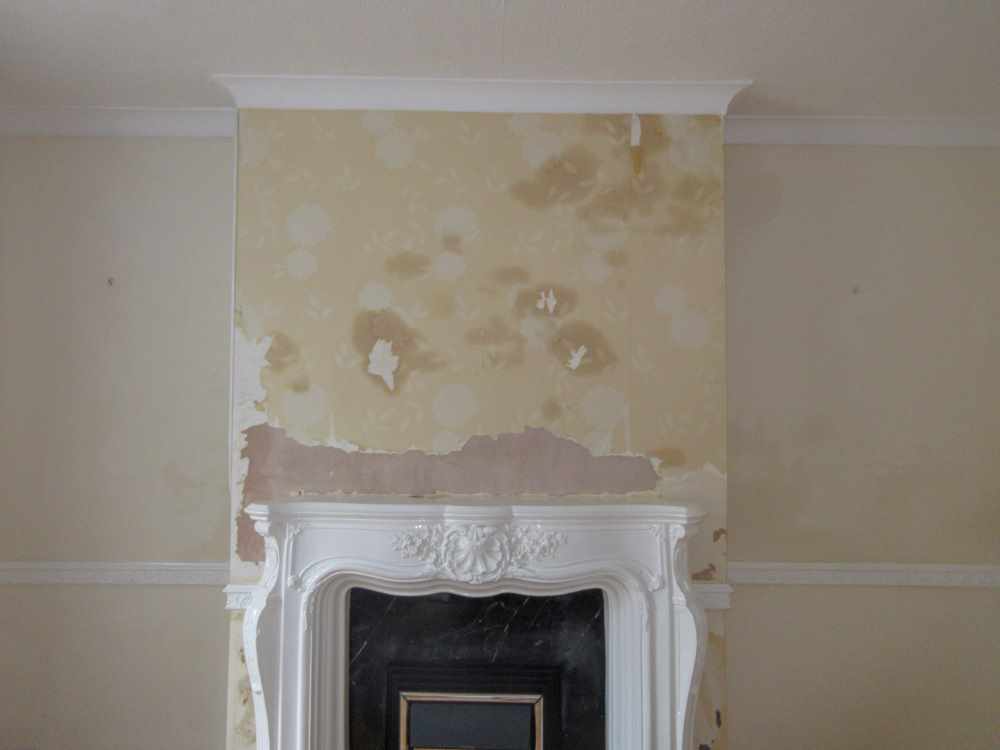
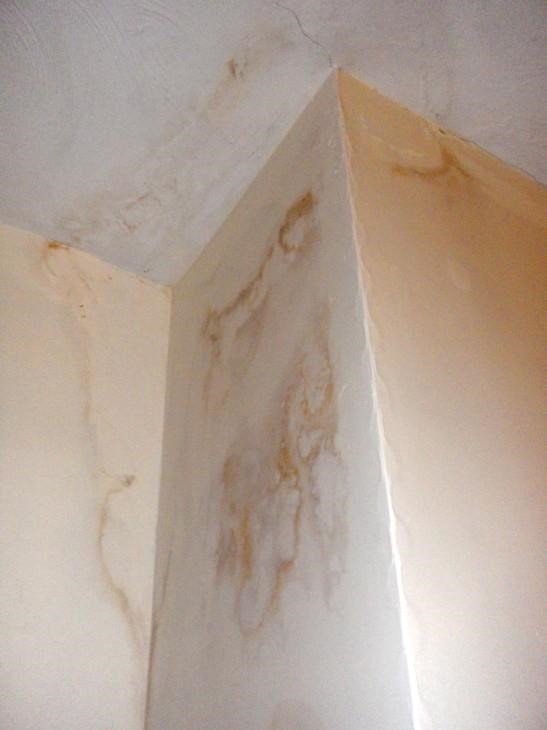
Chimney staining appears as brown, yellow, or white discolouration on internal walls around the chimney area. Unlike simple water damage from leaks, these stains are caused by historic deposits migrating through the masonry – which explains why they’re so persistent.
Typical characteristics:
- Brown or yellow patches near chimney breast
- Gradual spreading over months or years
- Worsening during wet weather
- Musty odours, especially in winter
- Returns even after painting over
- Often accompanied by white salt deposits
Why Do Brown Stains Appear Near Chimneys?
Chimney staining develops when moisture activates decades-old soot and tar deposits inside the chimney structure. These deposits contain salts that dissolve in moisture and migrate through the brickwork to appear as stains on internal walls.
Common Causes in UK Homes
Blocked Chimneys Without Ventilation Sealing chimneys completely traps moisture inside, creating perfect conditions for salt activation and migration.
External Water Ingress Damaged chimney pots, deteriorated pointing, or faulty flashing allows rainwater to enter the chimney structure.
Poor Ventilation Modern insulation and heating can increase internal humidity, contributing to condensation within chimney structures.
Seasonal Weather UK’s wet winters and temperature changes create moisture cycles that drive the migration process.
How to Prevent Chimney Staining
Prevention is always better than trying to fix existing staining problems.
Proper Chimney Management
The Golden Rule: Top and Bottom Must Match Whatever you do at the top of the chimney must match what happens at the bottom. If you block the top completely, block the bottom completely. If you leave the top open or ventilated, do the same at the bottom. Most chimney staining problems occur because this rule isn’t followed.
Essential Steps for Disused Chimneys:
- Professional chimney cleaning first – Remove all soot and tar deposits before any blocking work
- Match top and bottom blocking – Both ends must have the same approach (fully blocked or ventilated)
- Fill the flue with vermiculite – For completely blocked chimneys, vermiculite insulation helps prevent moisture issues while providing additional insulation benefits
Common Mistakes That Cause Staining:
- Blocking the chimney top but leaving the fireplace open
- Sealing the fireplace but leaving the chimney pot open
- Not cleaning the chimney before blocking
- Inconsistent ventilation between top and bottom
Professional Assessment Get professional advice on the best approach for your specific property, especially regarding ventilation requirements and heritage considerations.
Heritage Property Considerations
Listed buildings and conservation areas require special planning permission for chimney modifications. Always check requirements before implementing any blocking or ventilation solutions.
Managing Existing Chimney Stains
Once staining appears, focus shifts to management rather than elimination.
Understanding the Reality
Stains Cannot Be Completely Removed The salts are now embedded in the masonry. While you can slow progression and improve appearance, complete elimination isn’t realistic.
Address the Root Cause Identify and fix the moisture source causing the problem – whether poor ventilation, external water ingress, or internal humidity issues.
Use Appropriate Materials When redecorating, you have several options:
- Use breathable paints and materials that allow natural moisture movement through walls
- Consider waterproof plaster or waterproof plasterboard to create a barrier – the salt migration will continue behind the barrier, but staining will be hidden from view
- Never simply paint over existing stains – they will reappear through any standard paint or wallpaper
Professional Solutions
Moisture Assessment Professional evaluation identifies specific moisture sources and recommends targeted solutions for your property.
Ventilation Improvements Proper ventilation systems help manage moisture levels in the chimney structure and surrounding areas.
Long-term Monitoring Regular professional monitoring tracks the effectiveness of management measures and identifies any changes.
When to Call Professionals
Immediate Action Needed
Rapidly Spreading Stains If staining spreads quickly or becomes more pronounced, get immediate professional assessment.
Strong Persistent Odours Musty smells alongside staining may indicate significant moisture problems needing urgent attention.
Multiple Affected Areas Staining in several locations suggests systematic moisture issues requiring professional evaluation.
Choosing the Right Help
Look for professionals with experience in historic building moisture problems who understand heritage property requirements and offer comprehensive assessment rather than quick fixes.
Frequently Asked Questions
What causes brown stains on walls near chimneys?
Brown stains are caused by historic soot and tar deposits inside the chimney becoming mobile when moisture is present. These dissolved salts migrate through the masonry and appear as stains on internal walls.
Can I permanently remove chimney stains?
No, once chimney staining appears, it cannot be completely eliminated. The salts are embedded in the masonry structure. However, you can manage the problem and slow its progression by addressing the underlying moisture issues.
Why do chimney stains keep coming back after painting?
Simply painting over stains doesn’t address the root cause – salt migration through the masonry. The salts will continue to move through the wall and eventually appear through the new paint. You need to address the moisture source first.
Are chimney stains dangerous?
Chimney stains themselves aren’t dangerous, but they indicate moisture problems that could lead to structural issues if left unaddressed. The moisture causing staining can also contribute to damp problems elsewhere in the property.
Do chimney stains affect property value?
Visible chimney staining can affect property value, particularly if it suggests ongoing moisture problems. However, in many period properties, some evidence of historic use is considered part of the building’s character.
What’s the difference between chimney stains and water damage?
Water damage from leaks typically appears as darker patches that dry out completely. Chimney staining contains salts that remain visible even when dry and tends to have brown, yellow, or white coloration rather than simple dark water marks.
Can I prevent chimney staining in my period property?
Yes, prevention is possible through proper chimney management including adequate ventilation when blocking chimneys, maintaining external chimney elements, and managing internal humidity levels.
Should I seal my chimney to stop staining?
You can completely seal a chimney, but it must be done correctly. The top and bottom must match – if you fully block the top, fully block the bottom too, and fill the flue with vermiculite. Problems occur when the top and bottom don’t match, trapping moisture. Get professional advice to ensure correct blocking.
How long does it take for chimney stains to appear?
Chimney staining can develop over months or years, depending on moisture levels and the amount of historic deposits in the chimney structure. The process is usually gradual rather than sudden.
Do all old chimneys eventually develop staining?
Not all chimneys develop staining problems. It depends on factors like the amount of historic use, moisture management, building maintenance, and local environmental conditions.
Living with Chimney Character
Chimney staining is a common characteristic of UK period properties that reflects their long history of use. While frustrating when it appears, it’s often simply part of owning a historic building.
The key to managing chimney staining successfully is understanding its causes, implementing appropriate moisture management, and maintaining realistic expectations. With proper professional guidance, you can control the problem while preserving the character features that make period properties special.
Focus on prevention through proper chimney management, and if staining does appear, address the underlying moisture causes rather than just the visible symptoms. This approach protects both your property’s appearance and its long-term structural integrity.
Expert Chimney Services for Clean, Compliant Burning
Getting the most from your chimney while meeting UK emission standards requires professional expertise. As authors of the City & Guilds Chimney Sweeping Qualification and certified Guild of Master Chimney Sweeps, Ablewight Chimney Services combines industry-leading knowledge with practical experience.
Our comprehensive chimney services ensure optimal performance, legal compliance, and safety:
- Professional chimney sweeping – Annual cleaning and maintenance
- CCTV chimney surveys – Advanced inspection technology
- Stove servicing – Complete maintenance and performance optimisation
- Bird nest removal – Wildlife-compliant clearance
- Bee nest removal – Safe clearance
- Tar and creosote removal – Specialist cleaning for heavy deposits
- Compliance certification – Insurance-valid documentation
- Expert advice – Personalised solutions for your heating system
Why Choose Ablewight:
- HETAS Approved for professional standards
- Trading Standards Approved for consumer protection
- Guild of Master Chimney Sweeps certified
- £5 million public liability insurance
- No-mess guarantee on all work
Get Professional Chimney Care Today:
- 01223 627012
- hello@ablewight.co.uk
Service Areas: Cambridge • Ely • Newmarket • Royston • Saffron Walden • St Ives • Huntingdon • St Neots • Bishop’s Stortford • All surrounding villages within 25 miles
Don’t compromise on safety, performance, or compliance. Contact Ablewight Chimney Services today for professional expertise you can trust.