
With the fire out for the warmer months, most homeowners forget their wood burning stove entirely until the nights draw in. That’s a mistake. A little summer stove care now keeps your appliance clean, dry and ready to light the moment autumn arrives.
A cold, unused stove sitting through July might seem like the one thing in your home you don’t need to think about. In reality, the off-season is exactly when problems creep in quietly, and exactly when the right attention pays off.
Why Summer Stove Care Matters
When your wood burning stove is in daily use, the constant heat keeps the firebox dry and burns off residual moisture. Once it goes cold for months, that protection disappears.
Acidic soot deposits left in the flue and firebox draw in damp air. Over a long, humid British summer, that combination attacks cast iron, steel and your flue liner. The result is corrosion, pitting and a stale, sooty smell that lingers into the colder months.
Good summer stove care is really about prevention. A clean, dry, well-ventilated woodburner survives the off-season far better than one left full of ash and shut tight.
Give Your Stove a Proper Clean-Down
The single most valuable thing you can do is empty the stove completely. Old ash is hygroscopic, meaning it pulls moisture out of the air, and damp ash sitting against metal accelerates rust dramatically.
Remove all ash from the firebox and ash pan. Wipe the interior surfaces dry. Take out any firebricks that are loose and check them for cracks so you know what needs replacing before you light up again.
Glass and seals: Clean the stove glass while you have time, and inspect the door rope seal. If it feels flattened or you can slide a piece of paper through the closed door, the seal is failing and should be replaced. A poor seal wrecks efficiency, a theme we cover in our autumn maintenance guide for stove owners.
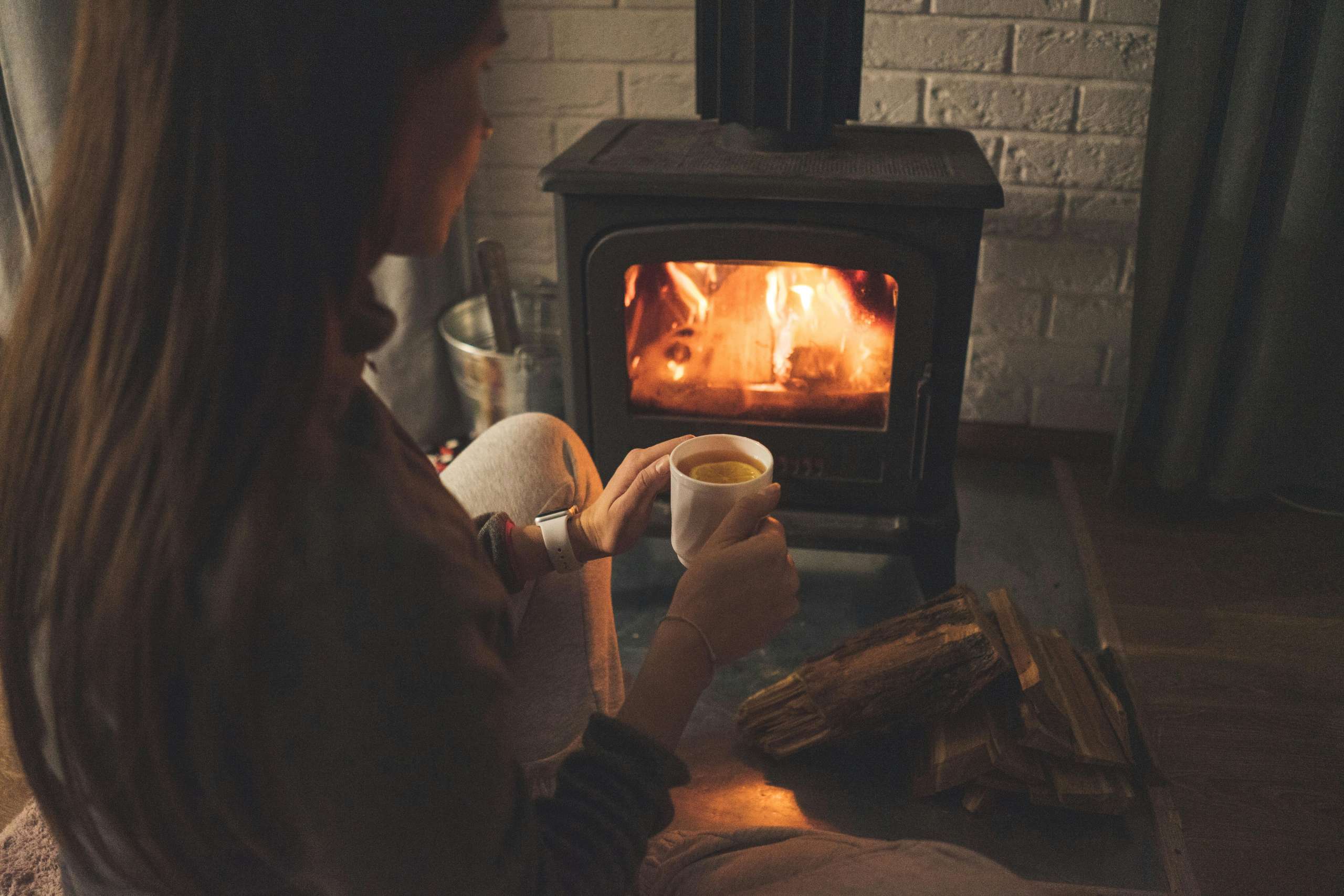
Protecting Your Multi-Fuel Stove From Rust
Moisture is the enemy of any idle multi-fuel stove. Once the firebox is clean, your job is to keep it that way for several months.
Ventilation Beats Sealing
It feels counter-intuitive, but leaving your stove sealed shut over summer traps damp air inside. Instead, leave the air vents open and the door slightly ajar. This lets air circulate and moisture escape rather than condensing on cold metal.
If your stove has a flue damper, leave it open too. The aim is a gentle through-draught from the firebox up the chimney.
A Light Protective Layer
For cast iron surfaces prone to surface rust, a thin wipe of stove-safe maintenance oil or a light polish with stove paste helps repel moisture. Keep it minimal, you only need enough to protect the metal, not a thick coating that smells when first heated.
Avoid closing the room up entirely. A little household ventilation stops damp building around the hearth and helps everything stay dry.
Don’t Forget the Chimney and Flue
Summer stove care isn’t only about the appliance in the room. The flue and chimney above it need attention too, and the quiet season is the ideal time to sort them.
Bird activity peaks in spring and summer, and an unused chimney is an open invitation for nesting. A blocked flue discovered in October is a genuine problem, so a suitable cowl or bird guard is well worth checking, as we explain in our guide to chimney cowls and bird guards.
Soot and creosote left in the flue over summer don’t improve with time. They harden, they smell, and they remain a fire risk for the season ahead.
Book Your Off-Season Sweep Early
The smartest part of any summer stove care routine is arranging a professional sweep and inspection before the busy autumn rush.
Sweeping in the quieter months means your flue is left clean and dry through summer rather than holding acidic deposits for months on end. It also gives you time to act on anything the sweep finds, from a worn liner to a cracked firebrick, without the pressure of wanting the stove lit that same week.
A professional inspection checks the things you can’t easily see: the condition of the flue liner, the integrity of the firebox, and whether your appliance is drawing correctly. We never encourage DIY sweeping, because a proper inspection is as much about diagnosis as cleaning.
A Simple Summer Stove Care Checklist
Keep it straightforward. Good summer stove care comes down to a handful of habits:
- Empty all ash from the firebox and ash pan
- Clean the glass and check the door rope seal
- Leave air vents open and the door slightly ajar for ventilation
- Apply a light protective oil or paste to bare cast iron if needed
- Inspect firebricks and baffle plates for cracks
- Confirm your chimney is protected against nesting birds
- Book a professional sweep and inspection during the quiet season
Tick those off and your woodburner will be in far better shape when you want it.
Common Myths About Summer Stove Care
Myth: “My stove isn’t being used, so it can’t come to any harm.”
Fact: An idle stove is more vulnerable, not less. Without regular heat drying it out, damp and acidic soot corrode metal steadily through summer.
Myth: “I should shut everything tight to keep dust and damp out.”
Fact: Sealing the stove traps moisture inside. Ventilation, with vents and door slightly open, keeps the firebox dry.
Myth: “Sweeping only needs doing right before I start using it again.”
Fact: Leaving soot in the flue all summer means months of corrosion and lingering smells. A clean flue over summer protects the chimney.
Frequently Asked Questions
Should I clean my wood burning stove before summer?
Yes. Emptying the ash and cleaning the firebox before the off-season is the core of good summer stove care. Damp ash left against metal is a leading cause of internal rust.
Is it better to leave the stove door open or closed over summer?
Leave it slightly ajar. This allows air to circulate and moisture to escape, whereas a sealed firebox traps humid air against cold metal and encourages corrosion.
When is the best time to have my stove and chimney swept?
The quieter summer months are ideal. Your flue is left clean and dry rather than holding acidic deposits, and you have plenty of time to address any repairs before autumn.
Do I still need a chimney cowl if the stove isn’t in use?
Yes, arguably more so. An unused chimney is prime nesting territory for birds, and a suitable cowl or guard prevents a blockage you’d only discover when you try to light up again.
Will damp firewood affect my stove over summer?
Unseasoned or damp wood stored near the stove adds moisture to the surrounding air. Store fuel properly, as we set out in our article on seasoned wood moisture requirements, and keep it away from the appliance.
The Bottom Line
Summer stove care is quiet, unglamorous work, but it makes all the difference. A clean, dry, well-ventilated wood burning stove with a swept flue will be ready to warm your home the moment the weather turns, with no nasty surprises.
Spend an hour on it now and you save yourself the frustration of a rusted firebox, a blocked chimney or a failed inspection later in the year. The off-season is the easiest time to get ahead, so use it well.
Getting your wood burning stove properly cleaned, inspected and swept during the quiet summer months takes genuine professional expertise.
As authors of the City & Guilds Chimney Sweeping Qualification and certified Guild of Master Chimney Sweeps, Ablewight Chimney Services combines industry-leading knowledge with practical experience.
Our comprehensive chimney services ensure optimal performance, legal compliance, and safety:
- Professional chimney sweeping – Annual cleaning and maintenance
- CCTV chimney surveys – Advanced inspection technology
- Stove servicing – Complete maintenance and performance optimisation
- Bird nest removal – Wildlife-compliant clearance
- Bee nest removal – Safe clearance
- Tar and creosote removal – Specialist cleaning for heavy deposits
- Compliance certification – Insurance-valid documentation
- Expert advice – Personalised solutions for your heating system
Why Choose Ablewight:
- HETAS Approved for professional standards
- Trading Standards Approved for consumer protection
- Guild of Master Chimney Sweeps certified
- £5 million public liability insurance
- No-mess guarantee on all work
Get Professional Chimney Care Today:
- 01223 627012
- hello@ablewight.co.uk
Service Areas: Cambridge • Ely • Newmarket • Royston • Saffron Walden • St Ives • Huntingdon • St Neots • Bishop’s Stortford • All surrounding villages within 25 miles.
Don’t compromise on safety, performance, or compliance. Contact Ablewight Chimney Services today for professional expertise you can trust.

