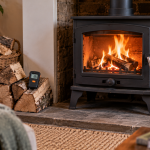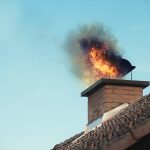
How you light your fire affects everything from smoke production to fuel efficiency. The traditional bottom-up method—paper and kindling at the base, larger logs on top—is what most people learn first. Top-down lighting reverses this structure, placing kindling above the main fuel. Each approach has distinct advantages depending on what you’re burning and what you’re trying to achieve.
Traditional Bottom-Up Method
Bottom-up lighting places your fire-starting materials—newspaper, cardboard, or firelighters—at the grate level, with kindling stacked above and progressively larger pieces of wood on top. You light the base materials, they catch the kindling, and the fire gradually works its way upward through the fuel load.
This method produces immediate flames and heat. Within minutes, you have visible fire and the stove begins warming up. For anyone who wants rapid heat output or finds the ritual of building a fire satisfying, bottom-up lighting delivers instant results.
The drawback is smoke production during the initial phase. Cold flue gases from larger logs above the fire zone cool the flames below, which slows the flue warm-up and reduces draught. This often causes smoke spillage into the room during the first several minutes, particularly in chimneys that take longer to establish draw.
Top-Down Lighting Method
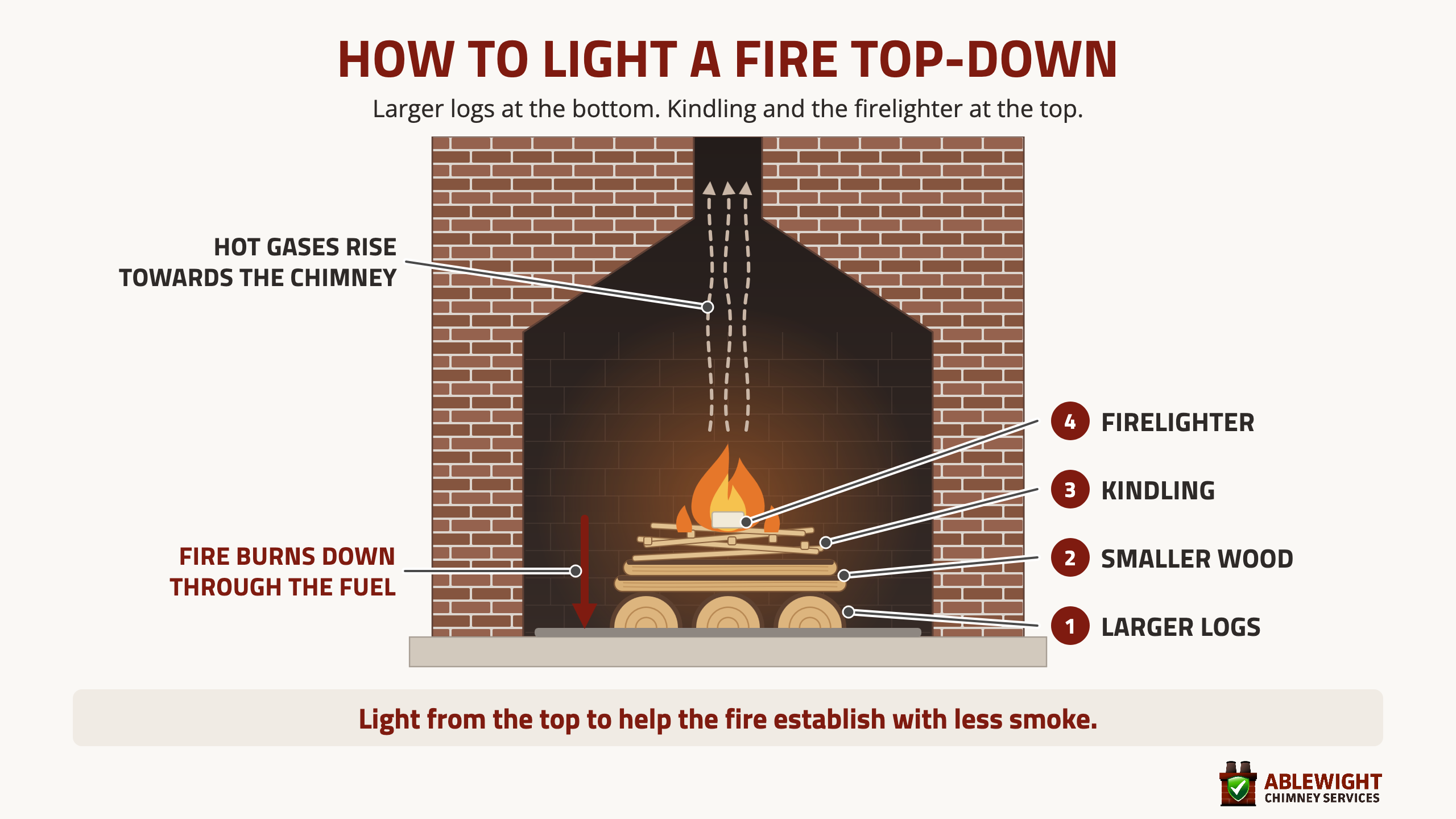
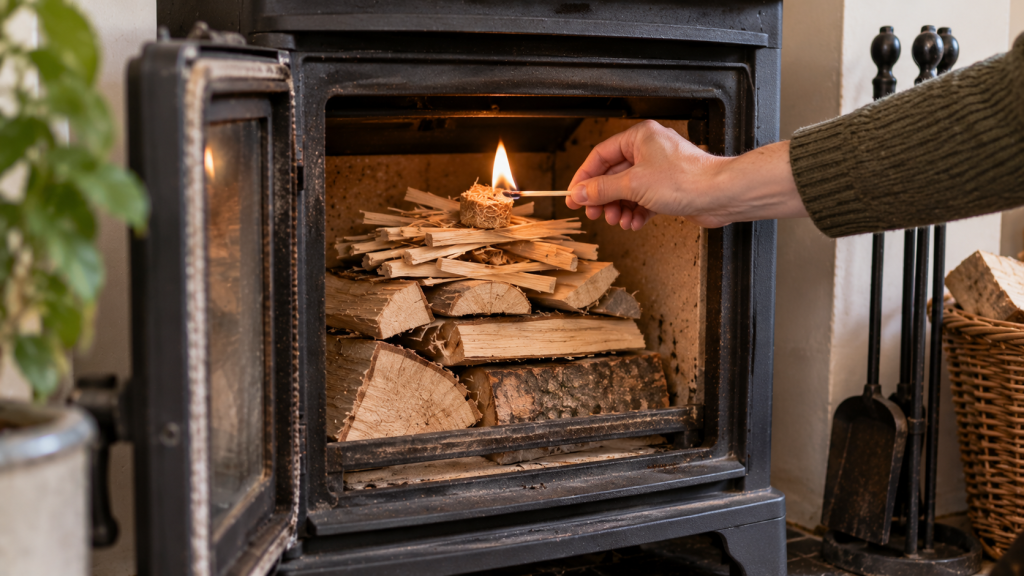
Top-down lighting reverses the fuel arrangement. Place your largest logs at the bottom of the firebox, with progressively smaller pieces above them, and kindling and fire-starting materials on top of the stack. You light the top layer, which burns downward through the fuel load.
The initial flame produces hot gases that rise directly up the flue without passing through cold, unburnt fuel. This warms the chimney quickly and establishes strong draught from the start. As the fire burns down through the stack, each layer is pre-heated by the flames above, which improves combustion efficiency when that fuel ignites.
Top-down fires produce significantly less smoke during ignition. The hot, clean gases establish good draught before the main fuel load begins burning. You’re less likely to experience smoke spillage into the room, which makes this method particularly valuable in homes with challenging chimney configurations or when burning in Smoke Control Areas.
Building a Top-Down Fire
Start with three or four of your largest logs placed directly on the grate, running front to back with small gaps between them for airflow. These form the base layer and will be the last pieces to burn.
Add a second layer of medium-sized logs running perpendicular to the first layer. This cross-hatching creates airflow channels throughout the fuel stack. Continue with a third layer of smaller splits, again running perpendicular to the layer below.
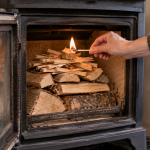
Place kindling on top in a loose arrangement—you want air gaps, not a dense pile. Finally, add your fire-starting material on the very top. Screwed-up newspaper, natural firelighters, or cardboard all work. Light this top layer and leave the stove door slightly ajar for a minute or two whilst the kindling catches.
Once flames are established in the kindling, close the door and adjust air controls to your normal operating position. The fire will burn steadily downward through the stack, with each layer igniting as the one above it burns down.
Which Method for Wood?
For wood burning, top-down lighting offers clear advantages in most situations. The reduced smoke during startup matters significantly in built-up areas where neighbours are close. The improved combustion efficiency means you’re burning fuel more completely from the start, which reduces creosote formation and extends the time between chimney sweeps.
Top-down fires also tend to burn more evenly. Because each layer is pre-heated before it ignites, you avoid the uneven burning that sometimes occurs with bottom-up lighting where parts of the fuel load catch while other parts remain cold. This produces more consistent heat output and better fuel economy.
The main situation where bottom-up lighting might be preferable is when you need immediate maximum heat output. If you’re lighting a stove in a very cold room and want rapid temperature rise, the instant flames from bottom-up lighting deliver heat faster. However, you’ll pay for this with increased smoke and reduced efficiency during the startup phase.
Smokeless Fuel Considerations
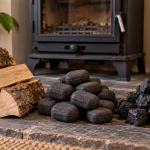
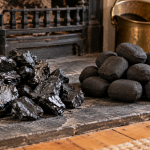
Smokeless fuel requires a different approach entirely. These manufactured briquettes need sustained high temperature to ignite properly and rely on undergrate airflow for complete combustion. You cannot light smokeless fuel in the same way as wood.
The standard method for smokeless fuel is to establish a wood fire first, let it burn down to a good bed of hot embers, and then add smokeless briquettes on top of these embers. The established heat ignites the smokeless fuel, and the hot ember bed provides the base temperature needed for proper combustion.
Some smokeless fuels can be lit directly using purpose-made firelighters designed for solid fuel, but this only works in stoves with proper riddling grates that provide undergrate airflow. Even then, you need significant firelighter mass to generate enough heat to overcome the high ignition temperature of the fuel.
Neither top-down nor bottom-up lighting methods as used for wood apply to smokeless fuel. The fuel’s physical properties and combustion requirements are fundamentally different. If your stove is designed for smokeless fuel (meaning it has a riddling grate), follow the manufacturer’s specific lighting instructions for that fuel type.
The Physics of Smoke Production
Smoke is simply unburnt fuel particles suspended in flue gases. Complete combustion produces mostly carbon dioxide and water vapour—both invisible. Incomplete combustion produces visible smoke because the fuel isn’t fully oxidising.
Temperature is critical for clean burning. Wood needs sustained temperatures above 600°C for complete combustion. Below this, volatile compounds drive off as visible smoke rather than burning cleanly. This is why cold starts produce the most smoke—the fire hasn’t reached optimal combustion temperature yet.
Top-down lighting addresses this by sending hot gases up the flue immediately, establishing draught whilst the main fuel load is still pre-heating. By the time larger logs begin burning, the flue is warm and drawing well, which maintains high combustion temperatures. Bottom-up lighting sends cold gases from unburnt wood above the fire zone through the flames below, which cools everything down and extends the smoky startup period.
Fuel Quality Matters More Than Method
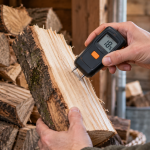
No lighting technique compensates for poor fuel. Wet wood produces smoke regardless of how you light it. Wood above 20% moisture content contains too much water to reach optimal combustion temperature without extended heating time. The energy that should be generating heat is instead evaporating water, which both reduces efficiency and increases smoke output.
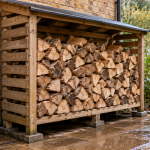
Properly seasoned wood—stored under cover for 18-24 months until moisture content drops below 20%—lights more easily, burns hotter, and produces far less smoke than fresh-cut timber. A moisture meter provides definitive readings and removes guesswork from fuel quality assessment.
Wood species affects burning characteristics as well. Hardwoods like oak, ash, and beech burn longer and hotter than softwoods, though they take longer to ignite. Softwoods like pine light easily but burn quickly. For fire-starting, softwood kindling works well. For the main fuel load, hardwoods provide better heat output and longer burn times.
Air Control During Startup
Both lighting methods benefit from maximum air during the startup phase. You want the fire to establish quickly and reach high temperatures as soon as possible. This means fully open air controls until flames are well established and the flue is warm.
Once the fire is burning cleanly—typically when the initial kindling has burned through and larger fuel pieces have caught—you can begin reducing air supply to your normal operating position. Closing air controls too early starves the fire of oxygen during the critical startup phase, which produces smoke and prevents the flue from warming properly.
With top-down lighting, this transition is often smoother because the fire naturally progresses through the fuel stack at an appropriate rate. You’re less likely to experience the situation where kindling has burnt out but larger logs haven’t caught yet—the pre-heating effect helps each layer ignite at the right time.
Common Mistakes and Solutions
Packing fuel too densely restricts airflow and produces smoke. Whether you’re using top-down or bottom-up lighting, leave gaps between pieces. Fire needs oxygen throughout the fuel load, not just at the ignition point.
Adding fuel too early disrupts the combustion process. Wait until the initial fire is well established before adding more fuel. With top-down lighting, you typically don’t need to add anything until the fire has burned down substantially—the initial stack provides sustained burning without intervention.
Using too little kindling means insufficient heat to ignite larger pieces. Be generous with kindling, particularly in cold conditions or when your chimney hasn’t been used recently. A weak start produces prolonged smoke whilst you wait for the fire to establish itself properly.
Closing the door too soon traps smoke inside the firebox where it backdrafts into the room when you open the door again. Keep the door slightly ajar during the first minute or two of ignition, particularly with top-down lighting where the fire needs to establish in the upper layers before creating strong updraft.
Smoke Control Area Compliance
In Cambridge’s Smoke Control Area, minimising smoke during all phases of burning isn’t just good practice—it’s a legal requirement. Top-down lighting helps meet this requirement by reducing startup smoke, but technique alone doesn’t ensure compliance.
You need three elements working together: a DEFRA-exempt stove, properly seasoned fuel with moisture content below 20%, and correct operating technique. Top-down lighting optimises the third element by establishing clean combustion quickly, but it cannot compensate for non-exempt appliances or wet fuel.
The practical benefit in an SCA is that top-down lighting gives you the best chance of clean burning from the moment you light your stove. There’s less risk of producing visible smoke that could draw complaints or attention from enforcement, and you’re operating your appliance in a way that maximises its design efficiency.
When Traditional Lighting Makes Sense
There are situations where bottom-up lighting remains the practical choice. If you’re camping with an open fire, you’re not building a stack of logs—you’re working with what’s available and need fire quickly. Traditional lighting is simpler and more intuitive in these circumstances.
For open fireplaces in Smoke Control Areas, the discussion about wood-lighting techniques becomes irrelevant—you must burn approved smokeless fuel unless you have specific exemption. Open fires cannot burn wood in SCAs, so neither top-down nor traditional wood-lighting methods apply. You’ll need to follow the lighting procedures specific to your chosen smokeless fuel.
In enclosed stoves with good draught, particularly newer DEFRA-exempt models with sophisticated air management systems, the difference between lighting methods becomes less pronounced. These appliances are designed to minimise startup smoke regardless of technique. However, top-down lighting still provides measurable benefits in smoke reduction and fuel efficiency.
Learning Curve and Adaptation
Top-down lighting feels counterintuitive initially. Most people have built fires the traditional way since childhood, and reversing that ingrained pattern requires conscious effort. The first few attempts often feel awkward.
However, the technique becomes natural with practice. After a week of using top-down lighting consistently, most people adapt completely. The reduced smoke and improved burning efficiency provide immediate feedback that reinforces the new method.
The key is committing to the method for a proper trial period rather than switching back to traditional lighting at the first sign of difficulty. Give yourself time to understand how your specific stove responds to top-down lighting, adjust fuel arrangement for your firebox size, and develop the technique that works in your circumstances.
Top-down lighting reduces smoke, improves efficiency, and produces more even burning compared to traditional bottom-up methods. For wood burning in enclosed stoves—particularly in Smoke Control Areas—the benefits are substantial. The technique requires initial adaptation but becomes second nature with consistent practice. Neither method suits smokeless fuel, which requires its own specific approach based on appliance design and manufacturer guidance.
Frequently Asked Questions
What is top-down lighting?
Top-down lighting places the largest logs at the bottom of the firebox with progressively smaller pieces above them, and kindling and fire-starting materials on top. You light the top layer, which burns downward through the fuel stack. This produces hot gases that rise directly up the flue, warming the chimney quickly and establishing strong draught from the start.
Why does top-down lighting produce less smoke?
The initial flame produces hot, clean gases that establish good draught before the main fuel load begins burning. With bottom-up lighting, cold gases from unburnt wood above the fire zone pass through the flames below, cooling everything down and producing smoke during the startup phase. Top-down lighting avoids this problem by pre-heating each layer before it ignites.
Can I use top-down lighting with smokeless fuel?
No. Smokeless fuel requires sustained high temperature to ignite and relies on undergrate airflow for complete combustion. The standard method is to establish a wood fire first, let it burn down to hot embers, then add smokeless briquettes on top. Neither top-down nor bottom-up lighting methods as used for wood apply to smokeless fuel.
How long does it take to learn top-down lighting?
Most people adapt completely within a week of consistent use. The technique feels counterintuitive initially because it reverses the traditional method, but becomes natural with practice. The immediate benefits—reduced smoke and improved efficiency—provide feedback that reinforces the new approach.
Does fuel quality matter more than lighting technique?
Yes. No lighting technique compensates for wet wood. Properly seasoned wood with moisture content below 20% is essential for clean burning regardless of how you light it. Top-down lighting optimises combustion efficiency, but only when you’re burning quality fuel to begin with.
When should I close the stove door after lighting?
Keep the door slightly ajar for the first minute or two whilst kindling catches, then close it once flames are established. Closing too early traps smoke inside the firebox. With top-down lighting, you want the fire to establish in the upper layers before closing the door, which typically takes 1-2 minutes.
Is top-down lighting suitable for open fireplaces?
In Smoke Control Areas, open fireplaces must burn approved smokeless fuel—they cannot burn wood. This article’s wood-lighting techniques don’t apply. Outside SCAs, top-down lighting can work in open fires but offers fewer benefits because you cannot control airflow precisely. Traditional lighting may be more practical for open fires.
How does top-down lighting help with Smoke Control Area compliance?
Top-down lighting minimises smoke during startup, which is when most smoke production occurs. Combined with a DEFRA-exempt stove and properly seasoned fuel below 20% moisture, this technique gives you the best chance of clean burning from ignition. It reduces the risk of visible smoke that could draw complaints in built-up areas.
Expert Chimney Services for Clean, Compliant Burning
Getting the most from your chimney while meeting UK emission standards requires professional expertise. As authors of the City & Guilds Chimney Sweeping Qualification and certified Guild of Master Chimney Sweeps, Ablewight Chimney Services combines industry-leading knowledge with practical experience.
Our comprehensive chimney services ensure optimal performance, legal compliance, and safety:
- Professional chimney sweeping – Annual cleaning and maintenance
- CCTV chimney surveys – Advanced inspection technology
- Stove servicing – Complete maintenance and performance optimisation
- Bird nest removal – Wildlife-compliant clearance
- Bee nest removal – Safe clearance
- Tar and creosote removal – Specialist cleaning for heavy deposits
- Compliance certification – Insurance-valid documentation
- Expert advice – Personalised solutions for your heating system
Why Choose Ablewight:
- HETAS Approved for professional standards
- Trading Standards Approved for consumer protection
- Guild of Master Chimney Sweeps certified
- £5 million public liability insurance
- No-mess guarantee on all work
Get Professional Chimney Care Today:
- 01223 627012
- hello@ablewight.co.uk
Service Areas: Cambridge • Ely • Newmarket • Royston • Saffron Walden • St Ives • Huntingdon • St Neots • Bishop’s Stortford • All surrounding villages within 25 miles
Don’t compromise on safety, performance, or compliance. Contact Ablewight Chimney Services today for professional expertise you can trust.